Living in Woodside CA: Village Life, Trails & Space
July 23, 2026
July 23, 2026
If you picture Woodside as just a quiet place with large homes and long driveways, you are only seeing part of the story. What makes this town stand out is the way village life, trail access, and open space all connect into one distinct Peninsula lifestyle. If you are wondering what it is really like to live here, this guide will help you understand how Woodside works day to day and why it appeals to buyers who value privacy, nature, and a grounded local feel. Let’s dive in.
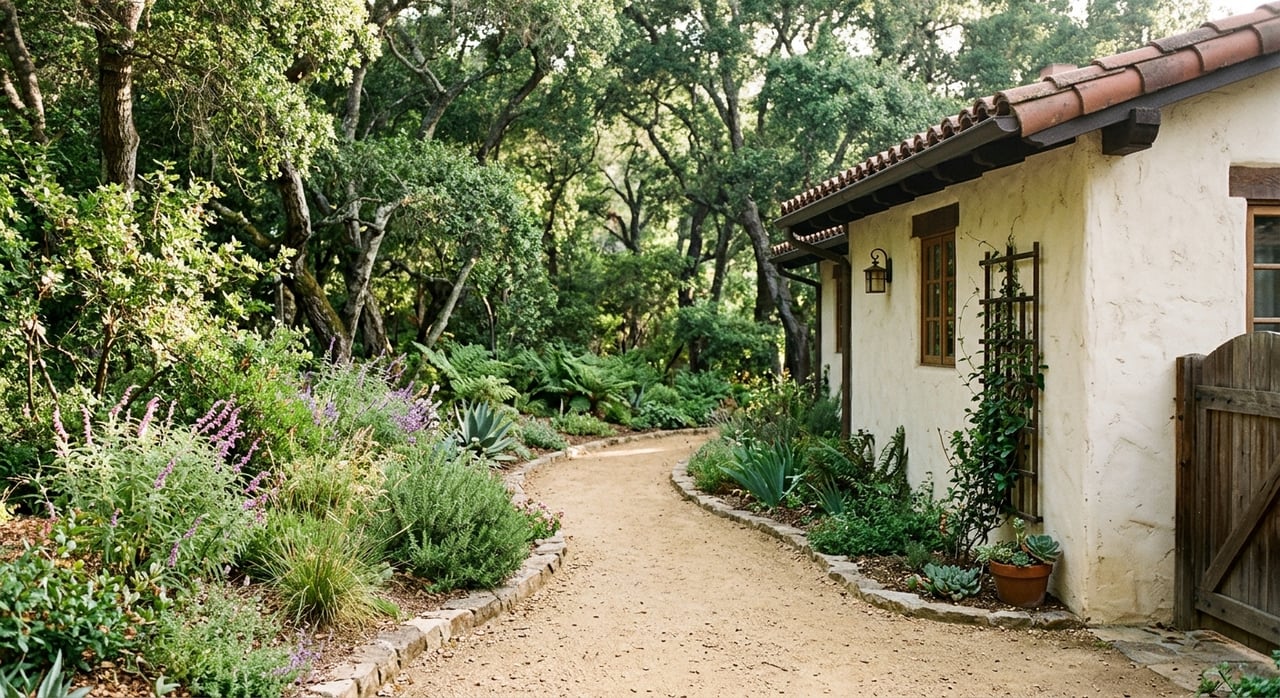
Woodside does not read like a typical suburban town with a busy commercial core and dense neighborhoods around it. The town is better understood as a small civic and village center surrounded by rural residential areas, larger lots, and direct access to preserves and parks.
That structure shapes daily life in a real way. You have a compact place for errands and community activity, but much of the surrounding area feels open, quiet, and closely tied to the landscape. For many buyers, that balance is the main draw.
Woodside’s Town Center sits in the heart of town and covers about 17 acres. According to the town’s planning documents, it includes a grocery store, hardware store, restaurants, shops, offices, and Town Hall.
In practical terms, that means your everyday essentials are concentrated in one small hub rather than spread across a larger downtown district. It supports a village feel that is hard to replicate, especially in a region where many communities are more built out and fast paced.
The town also continues to study the future of this area through its Town Center Area Plan update. That work includes housing opportunities, walkable spaces, parking and circulation, open space, and public amenities, which shows that Woodside is preserving its identity while also planning for thoughtful change.
One of the more appealing things about Woodside is that the center serves real daily needs. It is not just a historic backdrop or a weekend destination. It is the place where errands, meals, and civic life come together.
Town planning language also highlights circulation for vehicles, pedestrians, equestrians, and bicycles. That detail says a lot about Woodside itself. The town center is designed to support multiple ways of moving through the community, which reflects the broader lifestyle around it.
In some towns, trails are a nice extra. In Woodside, they are part of the identity. Official town materials emphasize the preservation and enhancement of the public equestrian and pedestrian trail system, and the town notes that many residents keep horses or have property that can be used for horses.
That matters whether or not you ride. Even if you are simply looking for space to walk, hike, or enjoy the scenery, the trail network and nearby open space are woven into how people experience the area.
Huddart Park is one of the closest major county parks to Woodside. San Mateo County says it is just 3.5 miles west of Highway 84 and includes hiking and riding trails, barbecue areas, grassy meadows, and redwood forest.
For residents, that means a substantial outdoor escape is close at hand. You do not need to plan a major day trip to get into the trees or onto a trail.
Wunderlich Park brings a slightly different experience. The county describes it as a hillside park with redwood forest, open meadows, oaks, and madrones, along with both hiking and horseback riding.
It also includes the restored Folger Stable and related historic structures. That combination of landscape and local history adds depth to Woodside’s outdoor culture and reinforces the town’s long connection to equestrian life.
Beyond the county parks, nearby Midpen preserves give Woodside residents a broad range of trail experiences. Thornewood Preserve, a 167-acre preserve above Woodside, offers easy hikes or horseback rides with parking access off Highway 84 near Portola Road.
Windy Hill Preserve adds a more expansive regional trail setting, including a 7.2-mile loop across Spring Ridge Trail, Lost Trail, and Hamm’s Gulch Trail. Midpen also notes habitat variety, Sausal Pond, and equestrian trailer and bus parking at Portola Road.
Teague Hill Preserve, accessed by the Bay Area Ridge Trail and Skyline Trail, shows how ridgeline recreation is part of normal local life here. Purisima Creek Redwoods, farther west, adds another layer with a trail that follows an old logging road through redwood groves, open meadows, and Pacific views.
Woodside’s equestrian culture is not just an image or a marketing theme. It is backed by town infrastructure, local trail policy, and land patterns that support horse use in parts of the community.
The town’s Trails Committee is dedicated to protecting and improving Woodside’s public equestrian and pedestrian trail system. That level of civic attention tells you horses and trails are not secondary features here. They are part of how the town sees itself.
For buyers, this can shape the feel of the community even if you do not own horses. You may notice trail connections, riding access, and a stronger relationship between residential areas and open land than you would in a more conventional Peninsula neighborhood.
Woodside is often associated with large estates and expansive lots, and that reputation is grounded in reality. The town’s Housing Element appendix reports that in 2020, 95.4% of housing units were single-family detached homes.
At the same time, it helps to know that Woodside is not one uniform property type. Lot sizes vary significantly depending on zoning and neighborhood context.
The town’s adopted Housing Element states that the Rural Residential zone has a minimum lot size of 3 acres. The Suburban Residential zone has a 1-acre minimum, and the R-1 zone has a 20,000-square-foot minimum.
That range helps explain why Woodside can feel so spacious. In many parts of town, the land itself is a major part of the property experience, whether you are looking for privacy, room for outdoor amenities, or a setting that feels removed from the density of surrounding Peninsula communities.
If you are assuming every home in Woodside sits on major acreage, Woodside Glens is an important exception to understand. The specific plan describes the neighborhood as roughly 80 acres, with many lots historically around 10,000 to 12,000 square feet, some as small as 7,000 square feet, and a few larger parcels.
That means buyers can find different scales of living within Woodside, even though detached housing remains the dominant pattern. It also reinforces the idea that hyper-local knowledge matters when you are evaluating value, setting expectations, or comparing one part of town to another.
Woodside is not standing still, but its planning documents suggest that future housing change is likely to be incremental rather than dramatic. The town’s 2023 to 2031 Housing Element leans on ADUs and a relatively small set of higher-density sites to help meet state housing obligations.
For many residents and prospective buyers, that signals continuity in the town’s overall low-density character. At the same time, the Town Center planning work shows that Woodside is actively thinking about how to accommodate change in a focused and practical way.
Woodside offers a strong sense of retreat, but it is still tied to the rest of the Peninsula through key road corridors. Town transportation materials identify Woodside Road as State Route 84, linking west to nature preserves and east to U.S. 101 in Redwood City.
Another town document notes there is no transit service in the immediate vicinity, and that a park-and-ride is located at the Woodside Road and I-280 interchange. For most residents, that makes Woodside a drive-first community rather than a transit-first one.
For many buyers, this is part of the appeal rather than a drawback. Woodside offers open space, privacy, and a slower physical setting while still keeping Peninsula job centers within practical driving range.
That balance can be especially attractive if you want daily access to nature without feeling cut off from Redwood City, Menlo Park, Palo Alto, or the broader mid-Peninsula. It is less about urban convenience and more about having room to breathe while staying connected.
Woodside tends to appeal to people who want more than just a house. They want a setting. They want access to open land, a distinct town identity, and a property pattern that often prioritizes space and privacy.
The day-to-day experience is shaped by a few defining features: a small but functional village hub, a strong trail and equestrian culture, and a housing landscape that is mostly detached and often low density. That combination is rare on the Peninsula.
If you are considering a move to Woodside, the key is to look beyond the headline impression. One area may offer acreage and a rural feel, while another may have smaller lots and a different rhythm. Understanding those nuances can make a big difference in finding the right fit.
If you are exploring Woodside as a buyer or thinking about how your property fits into this distinct market, Wendy Kandasamy offers data-driven guidance, local insight, and personalized support across the mid-Peninsula.
Stay up to date on the latest real estate trends.
Leveraging her expertise in both the economics of home ownership and sharp analysis of the real estate market. This unique combination proves invaluable when crafting tailored solutions for her clients' diverse real estate needs
Get In Touch With Wendy To Learn More
Address: 578 University Ave Palo Alto CA 94301