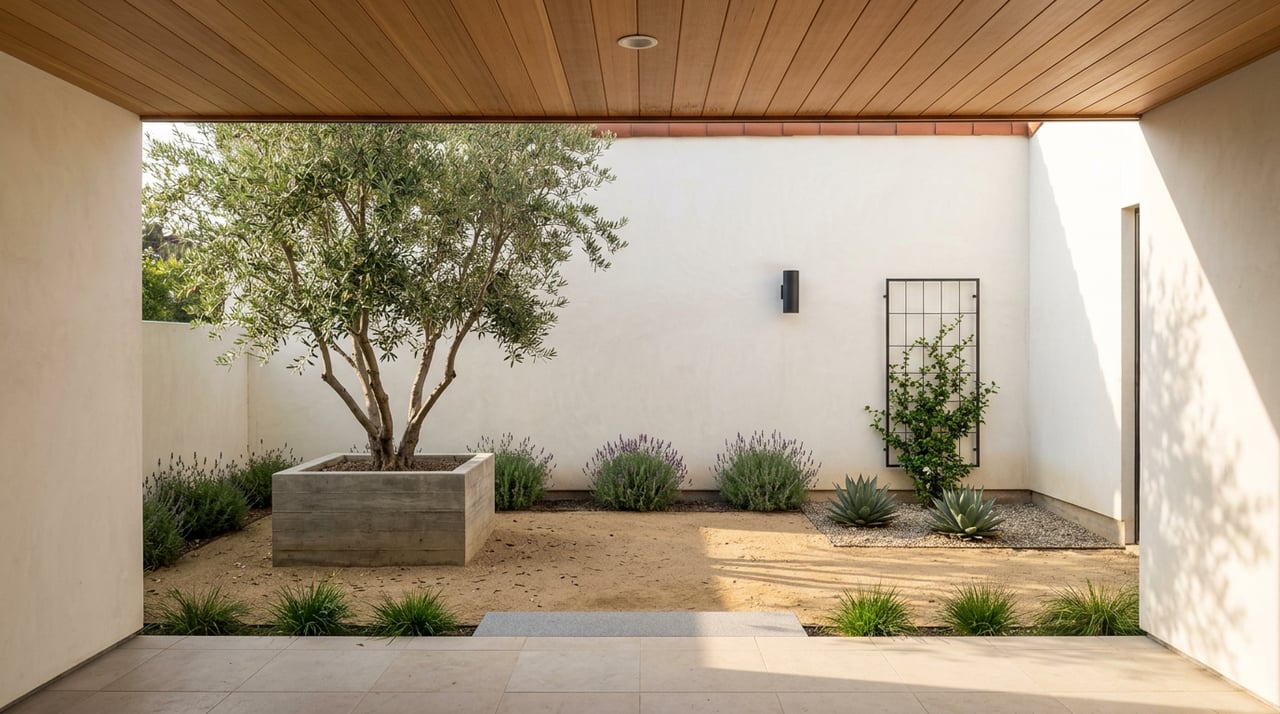
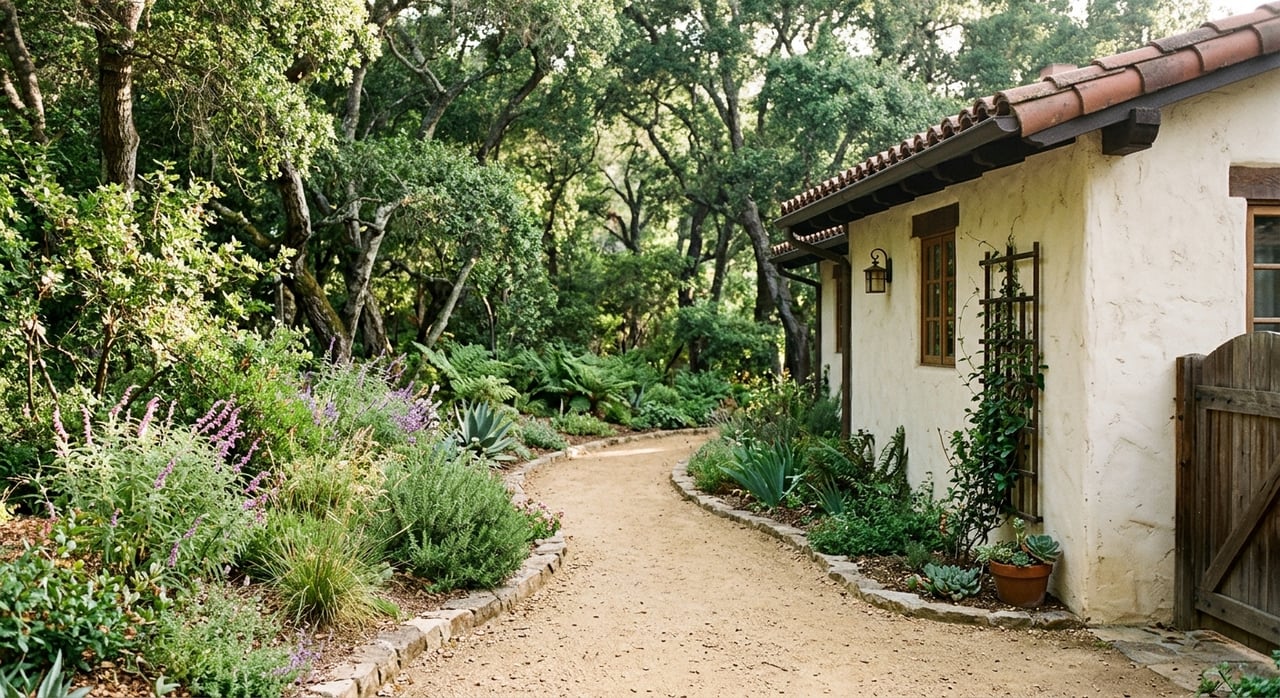
Thinking about building an ADU in Mountain View but not sure where to start? You’re not alone. Between state rules and local standards, it can feel complicated to figure out what’s allowed and how to move forward. This guide simplifies the essentials so you understand what California guarantees, what Mountain View may add, and how to plan a smooth, cost‑smart project. You’ll also get a practical step‑by‑step path, a worksheet to size your project, and quick answers to common questions. Let’s dive in.
ADU and JADU basics
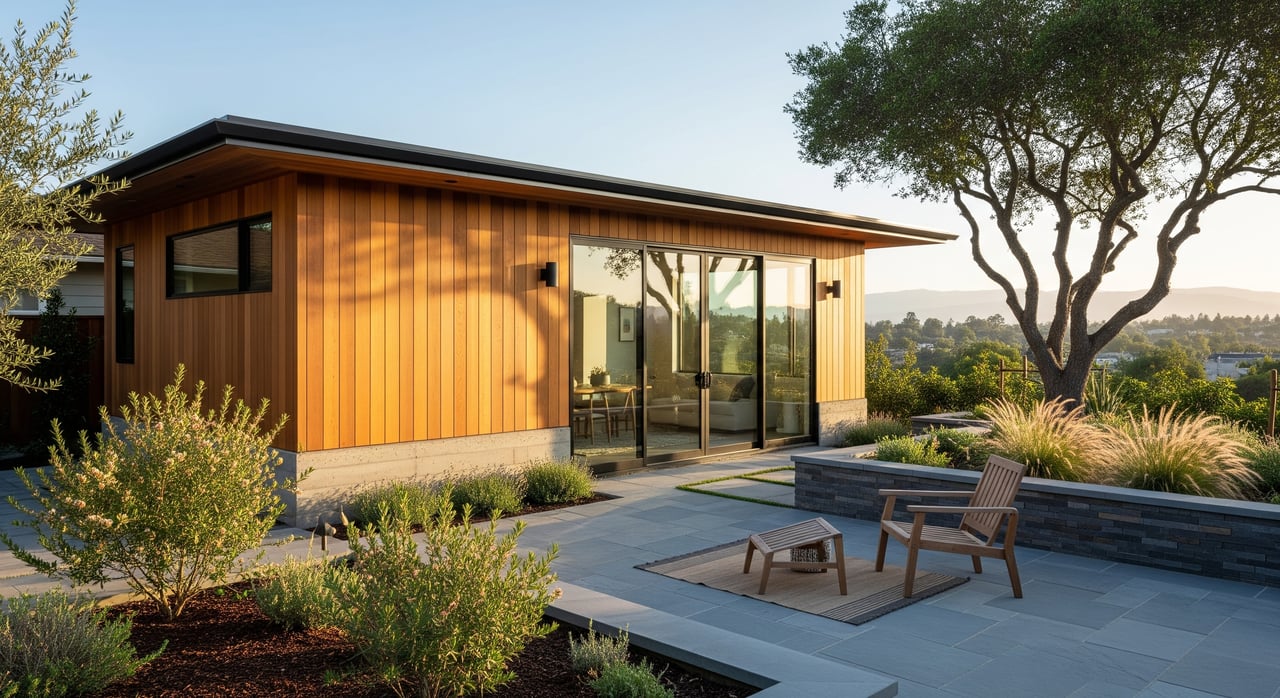
An accessory dwelling unit (ADU) is a secondary home on the same lot as a primary residence. It can be detached, attached, or created by converting existing space like a garage or basement. A junior ADU (JADU) is a smaller unit carved out within the primary home.
Here are the main types you can consider:
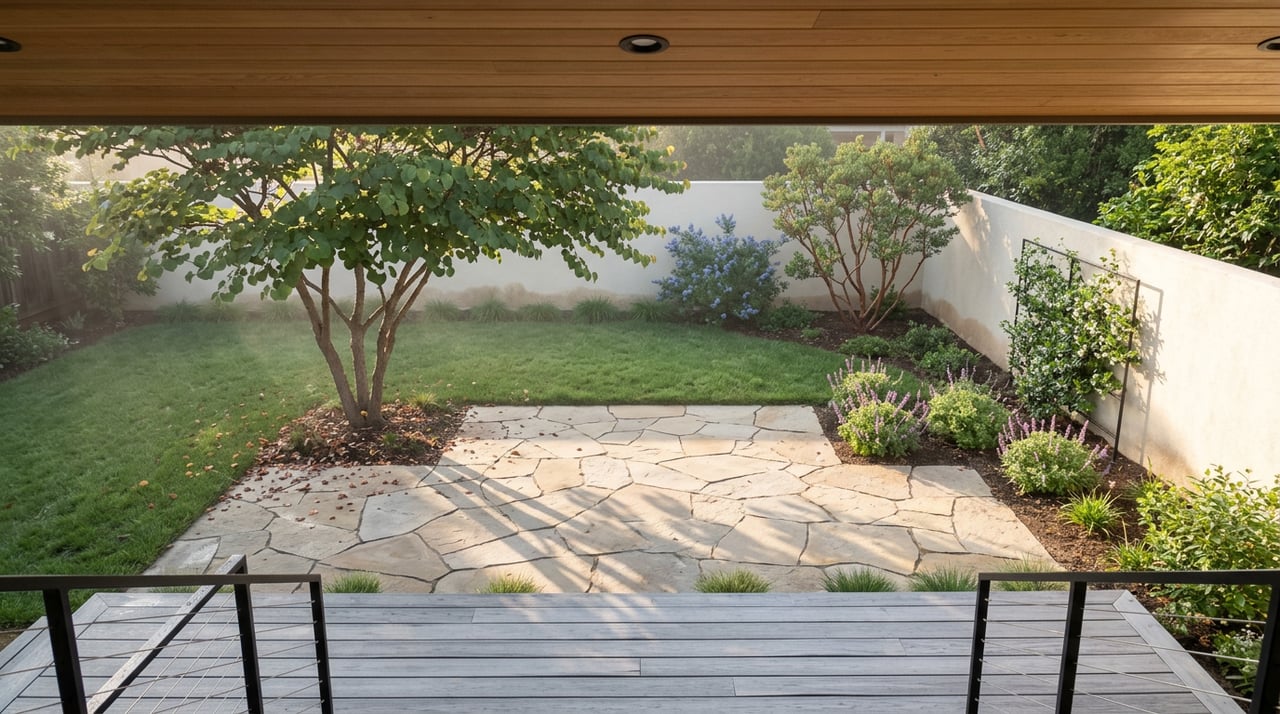
- Detached ADU in the backyard
- Attached ADU connected to the main home
- Conversion ADU using existing space (garage, basement, or another accessory structure)
- JADU within the main home
Under California law, a JADU is capped at 500 square feet. For standard ADUs, many cities allow up to 1,200 square feet for a detached unit, but exact limits in Mountain View depend on the current municipal code and your lot. Always confirm the current size caps and any height or lot coverage limits before you begin design.
What state law guarantees
California sets baseline rules that apply everywhere in the state. Local governments must follow these standards, which helps you plan with confidence:
- Owner occupancy: Cities cannot impose a new owner‑occupancy requirement for newly created ADUs or JADUs. You are not required to live in the main house or the ADU under current state law.
- Parking relief: No replacement parking is required if you convert or demolish a garage, carport, or covered parking to create an ADU. Many ADUs near transit are also exempt from parking requirements.
- Ministerial approval: If your ADU meets objective standards, the city processes it ministerially. That means no discretionary hearing, and CEQA environmental review generally does not apply to these approvals.
- Unit count on single‑family lots: State rules support one ADU and one JADU on a single‑family lot, subject to objective standards. Local details can vary, so confirm specifics with Mountain View Planning.
These protections come from California Government Code sections 65852.2 (ADUs) and 65852.22 (JADUs), and the state’s housing department (HCD) publishes helpful guidance.
Mountain View local standards to confirm
Mountain View implements state law and may set additional objective standards. Before you commit to a design, confirm the following with the City’s Planning or Building Division:
- Maximum sizes for attached and detached ADUs, and for conversions
- Height limits, lot coverage, and separation from the main house
- Setbacks for side and rear yards, and any front yard rules
- Whether one ADU plus one JADU are allowed on your lot
- Special standards for historic areas or design overlays
In many California cities, detached ADU side and rear setbacks can be as small as 4 feet, and detached ADUs often go up to 1,200 square feet. Treat these as common patterns, not guarantees. Your parcel’s zoning, lot size, and site features can change what is feasible in Mountain View.
Parking and transit rules
State law sharply limits parking requirements for ADUs. In Mountain View, you’ll often see the following apply:
- No replacement parking when converting a garage or carport into an ADU.
- No parking required if the ADU is within a half mile of a major transit stop. In Mountain View, many homes sit near Caltrain stations or frequent VTA bus corridors, which can qualify as major transit. Measure from your property to confirm.
- No parking required when the ADU is part of the existing primary residence or an existing accessory structure.
If your lot is outside of transit-rich areas, the city may still allow on-site parking in a driveway. Check your site plan early to see what fits without affecting your design.
How to permit an ADU in Mountain View
Plan your ADU like a small development project. A clear path saves time and money.
Pre-check zoning and eligibility
- Verify your zoning and whether your lot allows an ADU and a JADU.
- Review HOA or CC&R restrictions if applicable. Municipal approval does not override private rules.
Select your ADU type
- Detached, attached, conversion, or JADU. Match the type to your budget, timeline, and privacy needs.
Right-size the unit
- Target square footage for bedrooms and living area. Keep the JADU cap of 500 square feet in mind. Confirm Mountain View’s maximums for other ADU types.
Map site constraints
- Document side and rear yard setbacks, tree locations, slope, and known easements. These often dictate the best placement.
Plan parking or secure an exemption
- Check whether transit proximity or a conversion scenario eliminates parking requirements. If you need a space, plan it on your site plan.
Design for code and comfort
- Plan plumbing runs, electrical capacity, HVAC, fire egress, and insulation. Ask Mountain View if sprinklers or fire separation will be required for your specific project.
Budget and bids
- Get preliminary estimates from designers and contractors. Include design fees, permits, utility connection fees, and construction. Ask the City for its current fee schedule and whether any fee reductions apply for smaller ADUs.
Submit for permits
- Provide a complete application package: site plan, floor plans, elevations, and required technical documents. Pay plan check fees.
Plan check and inspections
- Respond to comments, revise plans as needed, then secure your building permit. The project will go through inspections at key stages until final occupancy.
Wrap-up and operations
- Confirm the unit address, utility billing, and any city registration for rentals if required. Set up property management and maintenance routines.
Owner worksheet: your quick pre-check
Use this to speed up your feasibility review and design conversation.
- Property basics: address, APN, lot size, zoning
- Existing structures: main house size; garage or accessory structure sizes
- Site features: side and rear setback dimensions, driveway location, trees, slope, and easements
- Utilities: water and sewer connections; meter locations; electrical panel capacity
- Transit proximity: nearest rail or frequent bus stop and distance; note if within 1/2 mile
- ADU type: detached, attached, conversion, or JADU
- Target size and layout: square footage; number of bedrooms and bathrooms
- Parking plan: driveway use, new curb cut, or waiver eligibility
- Timeline: estimate for design, permitting, and construction
- Budget: design/permit fees; construction cost per square foot; utility connection or upgrade costs
- Special notes: HOA or CC&Rs; historic or design overlay; any wildfire or safety considerations
Costs, fees, and taxes
Expect to budget for design, plan check and permits, construction, and utility connection fees. Many cities scale impact fees to ADU size, and some smaller ADUs may qualify for reduced or waived charges. Check Mountain View’s current fee schedule and ask the City about how fees apply to conversions versus new construction.
For property taxes, adding an ADU can affect assessed value. The Santa Clara County Assessor can explain how your improvement will be assessed and how that affects your tax bill. Ask your tax advisor to model the annual impact and potential rental income to understand return on investment.
Design and safety checks
ADUs must meet current building and fire codes. In Mountain View, you may encounter:
- Fire and life safety requirements such as egress windows, smoke and CO alarms, and sometimes sprinklers depending on project scope
- Utility capacity checks for water, sewer, and electrical service; panel upgrades are common
- Historic or neighborhood design standards if your property is in a special district
Ask the City’s Building Division and Fire Department about any site‑specific requirements early so you can design once and avoid costly redesigns.
Renting your ADU
Many California cities permit long‑term rentals of ADUs, while short‑term rentals can be regulated or prohibited. If you plan to rent, review Mountain View’s short‑term rental rules and registration requirements. Decide how you’ll manage leasing, maintenance, and compliance.
Tips to speed up approval
- Keep it objective: Design to the city’s published, objective standards. Ministerial approvals move faster when plans are clean and complete.
- Measure transit early: If parking may be waived, document the half‑mile distance to major transit.
- Mind the meters: Confirm water, sewer, and electrical capacity. Plan for panel upgrades if needed.
- Choose conversion wisely: Converting existing space can be simpler, especially for parking and setbacks.
- Communicate with neighbors: Good communication can reduce friction during construction.
Avoidable pitfalls
- Overlooking easements that block detached placement
- Assuming HOA approval is automatic when the City approves
- Designing before confirming size caps, height, and setbacks
- Underestimating utility upgrade costs or trenching needs
- Counting on short‑term rental income without checking local rules
How an advisor helps your long‑term value
An ADU can boost flexibility for multi‑generational living, create rental income, or add resale appeal when done right. A local real estate advisor can help you weigh project scope against likely market value, recommend designers and contractors, and time your project if you plan to sell in the future. With a data‑driven plan, you protect your budget and keep options open.
If you’re considering an ADU in Mountain View and want an informed, local perspective on value, rental potential, and long‑term planning, connect with Wendy Kandasamy for a complimentary consultation.
FAQs
What is the difference between an ADU and a JADU in California?
- An ADU can be detached, attached, or a conversion, while a JADU must be created within the primary home. State law caps JADUs at 500 square feet.
Do Mountain View homeowners have to live on-site to build an ADU?
- No. Under state law, local agencies cannot impose new owner‑occupancy requirements for newly created ADUs or JADUs.
How large can a detached ADU be in Mountain View?
- Many California cities allow detached ADUs up to 1,200 square feet, but you must confirm Mountain View’s current maximums, height, and lot coverage limits.
Do I need to add parking for an ADU near transit in Mountain View?
- Often no. If your property is within a half mile of a major transit stop or you are converting existing space like a garage, parking requirements are typically waived under state law.
How long does ADU permitting take in Mountain View?
- ADU approvals are ministerial if you meet objective standards, which is faster than discretionary review; timing still depends on plan check cycles and project complexity.
Can I rent my ADU short-term in Mountain View?
- Check Mountain View’s short‑term rental rules first, because many cities restrict or prohibit vacation rentals even when long‑term rentals are allowed.
Will building an ADU raise my property taxes in Santa Clara County?
- Yes, improvements can affect assessed value; ask the Santa Clara County Assessor how your ADU will be assessed and model the impact with your tax advisor.