Living in Sunnyvale California: A Local Buyer’s Guide
February 19, 2026
February 19, 2026
Thinking about a move to Sunnyvale but unsure what daily life really feels like? You want a place that balances career access with a relaxed, neighborhood rhythm. In this guide, you’ll get a clear picture of costs, commute choices, parks, schools, and the distinct feel of each part of town so you can decide with confidence. Let’s dive in.
Sunnyvale sits at the heart of Silicon Valley with a city population around 156,800 and a median household income near $186,170. The median gross rent is about $3,039 per month, the median value of owner-occupied homes in recent Census data is roughly $1.8 million, and the average commute time is about 23 minutes. You can explore these official stats on the U.S. Census Bureau’s QuickFacts page for Sunnyvale.
All figures above reference the U.S. Census Bureau’s QuickFacts for Sunnyvale city.
Sunnyvale’s economy is driven by large technology and advanced-manufacturing employers, with major office and campus presences in and around the city.
Sunnyvale’s personality changes block by block. Here is how three core areas feel day to day.
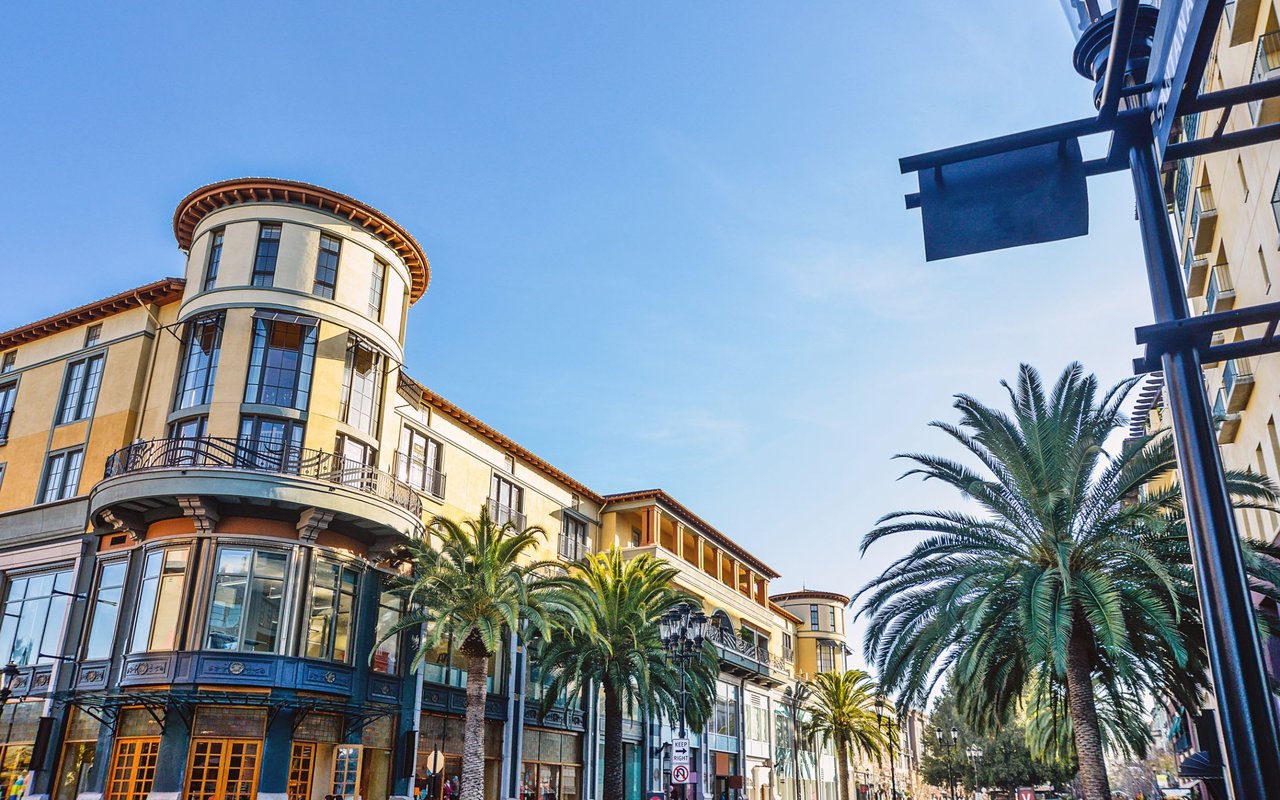
Centered on Murphy Avenue, downtown pairs a small-town main street feel with new energy. You’ll find cobbled sidewalks, a lively Saturday farmers market, and community events that keep evenings and weekends active. The CityLine redevelopment has added new apartments, offices, and retail, which has expanded dining and nightlife options over time. Check out the Sunnyvale Downtown Association’s page to see current market and event details.
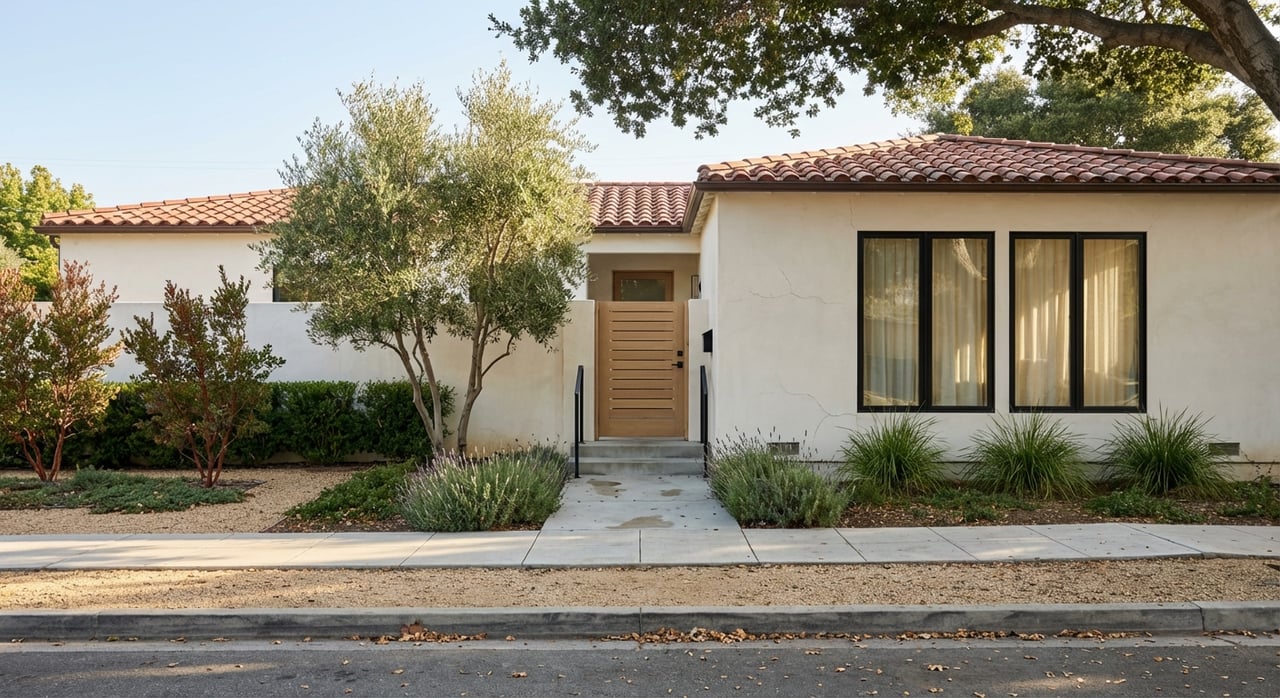
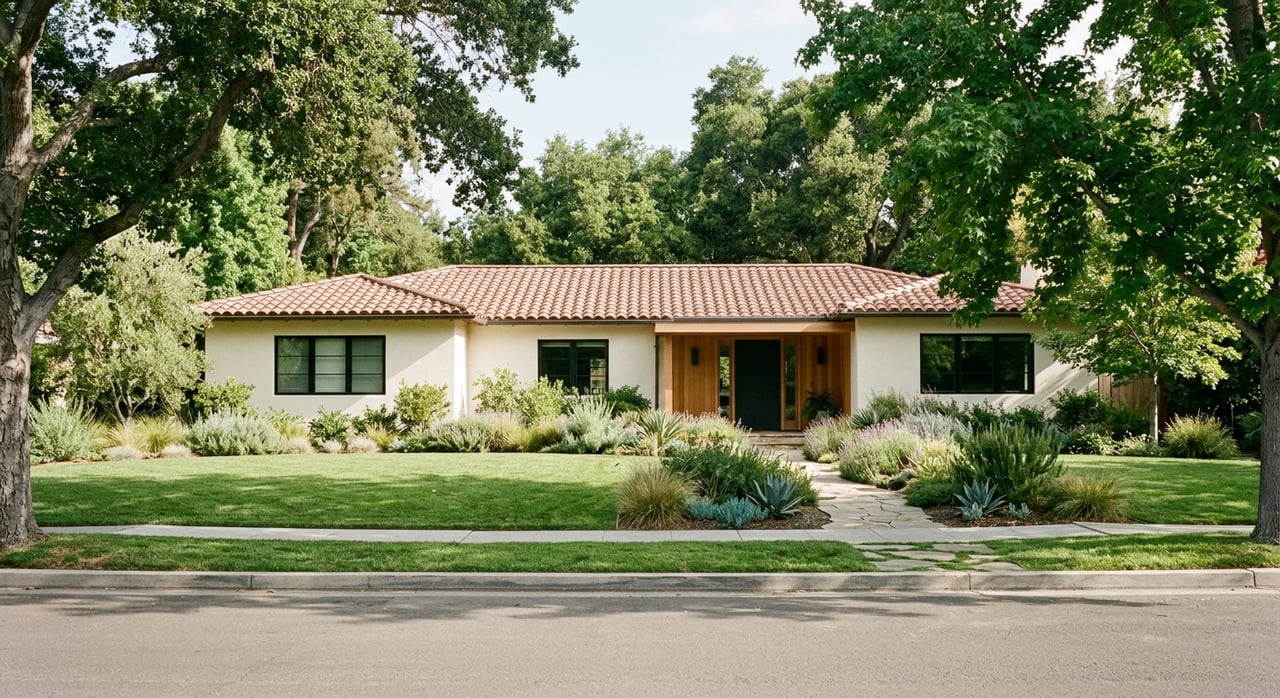
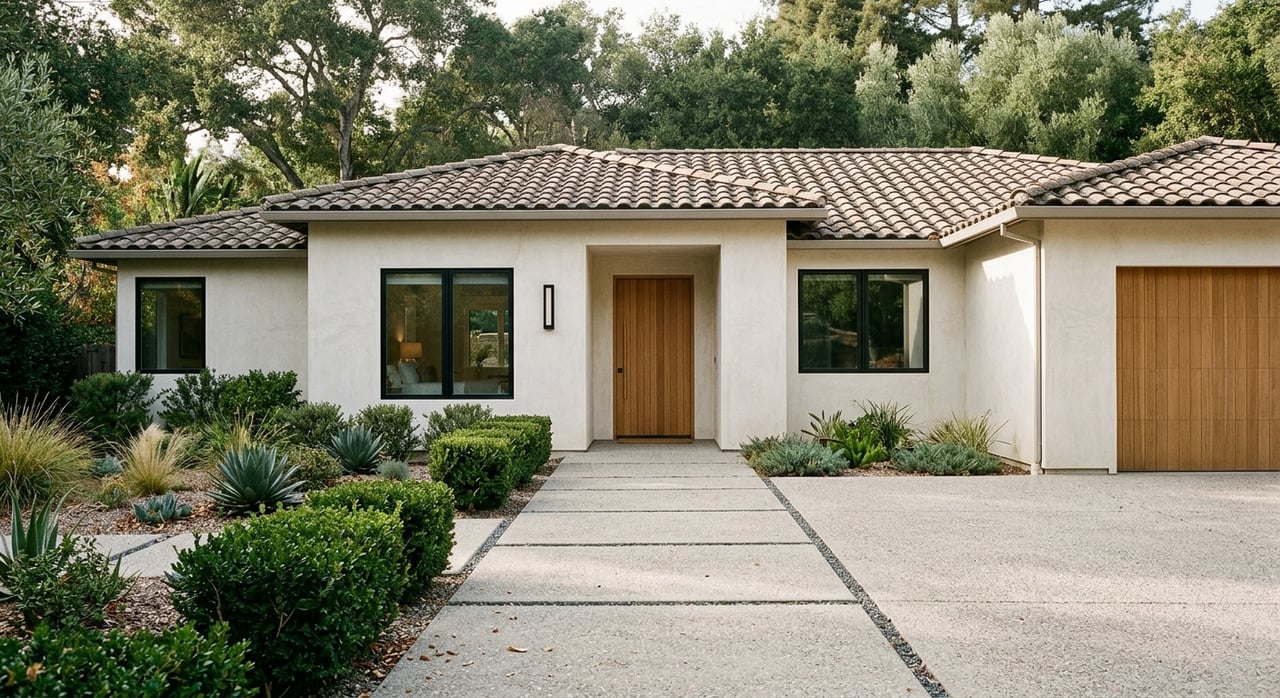
Much of south and west Sunnyvale features single-story, mid-century homes on calm, tree-lined streets. Several neighborhoods include Eichler tracts with signature post-and-beam lines and indoor-outdoor layouts. Enclaves such as Fairbrae, Fairorchard, and Rancho San Miguel are often referenced for their mid-century architecture and community feel. For a deeper look at Eichler design in 94087, review this overview of Sunnyvale’s Eichler hubs.
The north side reads more urban and employment-focused, with business parks, larger campuses, and newer apartments aimed at commuters. Around Lawrence Station, the city is supporting transit-oriented housing and has backed affordable projects near the station area. The result is a more mixed-use, evolving feel than the established single-family neighborhoods to the south. If a short transit ride to nearby job centers is a priority, this part of town can be practical.
You are close to US 101, I 280, SR 85, and SR 237. That centrality makes driving to most Silicon Valley job hubs feasible. Expect typical Bay Area peak-hour congestion and plan departure times accordingly.
Two Caltrain stations sit within city limits: Sunnyvale Station downtown and Lawrence Station to the east. Caltrain links you north to Mountain View, Palo Alto, and San Francisco, and south to Santa Clara and San Jose. If you bike to the train, check Caltrain’s station bike parking options to see lockers and racks.
VTA provides light rail along the Tasman corridor and bus routes that connect neighborhoods to employment centers. You can review the Orange Line’s route to understand how it links Sunnyvale with Santa Clara and San Jose.
Sunnyvale is part of multi-city efforts to improve bike connections. Projects tied to the Stevens Creek corridor aim to make cross-city riding between Mountain View, Sunnyvale, and Cupertino more practical over time. Many residents combine biking with Caltrain or buses for flexible, car-light commutes.
Weekends are easy to fill. City parks span neighborhood playgrounds and larger destinations like Baylands Park along the wetlands. Favorites often include Las Palmas, Ortega, Raynor, Lakewood, and Baylands for picnics, sports, and open space. You can view park amenities and reservable spaces on the city’s park and facility page.
For dining and social time, Murphy Avenue’s restaurants, the Saturday farmers market, and seasonal downtown events create a compact, walkable core. Check the Sunnyvale Downtown Association’s calendar for what is happening each week.
Most K–8 addresses in Sunnyvale are served by the Sunnyvale School District. Some areas fall into neighboring K–8 districts, so always verify by property address. For high school, many Sunnyvale homes are within the Fremont Union High School District. Boundary maps can change, so confirm assignments directly with each district before making decisions.
Use only neutral, factual information when comparing schools, and verify all assignments with the districts.
Sunnyvale is a high-cost market relative to national norms. As a snapshot, the Census/ACS median value of owner-occupied homes is about $1.8 million. Third-party market trackers also place typical home values in the low two million range in early 2026, though values vary by block and property type. For rentals, the Census median gross rent is about $3,039 per month, with current asking rents often higher depending on location and amenities.
Housing types vary widely by area:
If you plan to buy, expect home condition, lot size, and proximity to Caltrain or major employers to play large roles in price. If you plan to rent, amenities like in-unit laundry, secure parking, fitness rooms, and pet policies can significantly influence monthly cost.
Like many Bay Area cities, Sunnyvale shows a low-to-moderate profile for violent crime with property crime, such as theft from vehicles, as an ongoing regional concern. You can review an FBI-based statistical snapshot on NeighborhoodScout and pair it with official police maps and neighborhood notices. As a general practice, secure vehicles, avoid leaving valuables visible, and confirm building security features when comparing homes.
Sunnyvale works well for several buyer and renter profiles. Here is how to match your needs with neighborhoods and transit:
Use this quick approach to narrow the search:
Sunnyvale’s micro-markets can shift quickly, and block-level differences matter. A data-forward advisor can help you interpret comps, understand tradeoffs between neighborhoods, and structure a competitive offer without overpaying. If you are selling, preparation and presentation drive outcomes, especially for architecturally notable homes like Eichlers.
If you are considering a move, let’s talk about your timeline, budget, and commute to design a plan that fits you. Connect with Wendy Kandasamy to start with a clear, data-backed path.
Stay up to date on the latest real estate trends.
Leveraging her expertise in both the economics of home ownership and sharp analysis of the real estate market. This unique combination proves invaluable when crafting tailored solutions for her clients' diverse real estate needs
Get In Touch With Wendy To Learn More
Address: 578 University Ave Palo Alto CA 94301