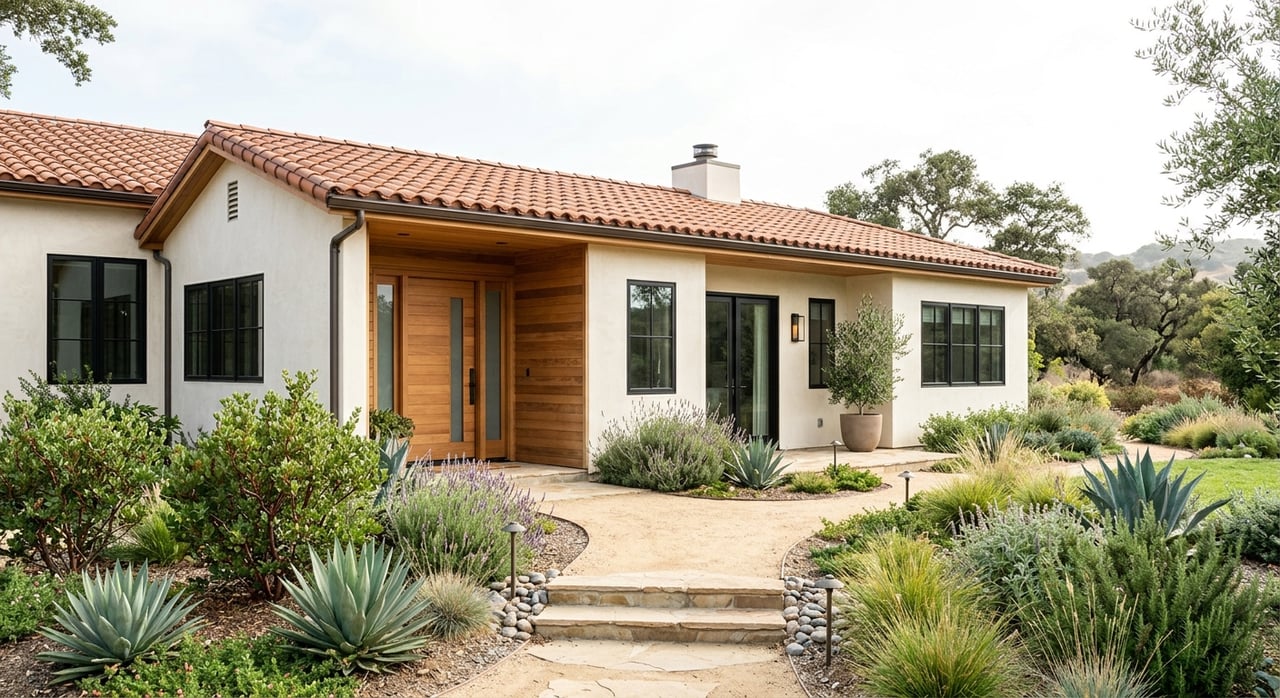
Living in Redwood City: Neighborhoods, Transit and Lifestyle
July 9, 2026
July 9, 2026
If you are trying to picture daily life on the Peninsula, Redwood City stands out fast. It offers a real downtown, a meaningful waterfront, distinct neighborhoods, and strong transit connections in one city. If you are wondering whether it feels more urban, more residential, or somewhere in between, this guide will help you understand what living in Redwood City looks like today. Let’s dive in.
Redwood City sits about 25 miles south of San Francisco and 27 miles north of San Jose, right in the middle of the Bay Peninsula and Silicon Valley. The city stretches from the Bay shoreline to the hillsides of the Santa Cruz Mountains, which helps explain why it feels varied rather than one-note.
City materials also highlight one lifestyle detail that many residents notice quickly: sunshine. Redwood City reports an average of 255 sunny days each year, which supports an outdoor routine that can feel more consistent than in some nearby areas.
If you want a city where you can step out for coffee, dinner, errands, or an event without planning your whole day around it, downtown Redwood City is a big part of the appeal. The downtown core has added 350,000 square feet of office, R&D, and medical space, more than 40,000 square feet of new retail, and more than 500 housing units since 2020, with 130 more on the way.
That growth is not just about numbers. It shows up in how the area functions. The city says downtown now includes more than 75 retail, fitness, and personal-service businesses, more than 75 places to eat, and more than 130 pieces of public art.
Caltrain also describes Middlefield Road as a pedestrian corridor with restaurants and coffee shops, while Broadway leads to Courthouse Square. In practical terms, that means downtown is not just a place you drive through. It is a place you can actually use on foot.
The city also approved an Entertainment Zone on the 2000 block of Broadway in 2026. That decision reinforces the idea that downtown Redwood City is designed to stay active after work and on weekends, not just during office hours.
One of the most important things to know about living in Redwood City is that there is no single neighborhood experience. The city includes areas such as Downtown, Redwood Shores, Farm Hill, Woodside Plaza, Friendly Acres, Redwood Oaks, Roosevelt, and Bair Island, and the city itself notes that neighborhood associations were expanded to better reflect natural community boundaries and neighborhood characteristics.
For you as a buyer or future resident, that means your experience can change a lot depending on where you land. Some areas feel closer to shops, transit, and a mixed-use setting, while others feel more residential or shaped by the land itself.
Redwood Shores sits on a peninsula ringed by levees, with the lagoon serving as a major focal point for both housing and retail. The lagoon supports boating, swimming, and windsurfing, giving this part of the city a waterfront identity that is unusual for the Peninsula.
If you are drawn to paths, open views, and water-oriented surroundings, Redwood Shores can feel very different from inland parts of Redwood City. It offers a setting that is more tied to shoreline living than many nearby communities.
As Redwood City extends toward the hillsides of the Santa Cruz Mountains, the landscape becomes more topographically varied. That shift creates neighborhoods that can feel more tucked in, more residential, and more influenced by elevation and street pattern than the flatter shoreline areas.
This range is one reason Redwood City appeals to different kinds of buyers. You are not choosing from one uniform housing environment. You are choosing among several distinct settings within the same city.
Redwood City’s housing mix reflects its neighborhood variety. Current listing data shows median listing prices around $1.3 million in Redwood Shores and Central Redwood City, about $2.1 million in Woodside Plaza, more than $2.5 million in Farm Hill, and above $3.1 million in Emerald Lake.
Those figures suggest a market with meaningful price variation from one area to another. For you, that can be helpful in two ways. First, it means Redwood City includes multiple entry points depending on your budget and goals. Second, it means neighborhood-level analysis matters a lot when you are comparing value.
A big part of living in Redwood City is how easy it is to build outdoor time into a normal week. The city says it has more than 30 unique parks, ranging from smaller neighborhood parks to larger multi-use spaces, off-leash dog parks, and a skate park.
Red Morton Park is one of the best examples of how that shows up in daily life. At 31.74 acres, it includes sports fields, pickleball, tennis, bocce, picnic areas, restrooms, and the Magical Bridge Playground. That makes it the kind of place residents can use for everything from a quick outing to a full weekend afternoon.
Redwood City’s waterfront is a real asset, not just a map feature. The Port of Redwood City offers more than a mile of public access, along with walkways, viewing areas, waterfront parks, a fishing pier, kayak and sailboat rentals, and the only public boat launch south of Coyote Point.
That gives residents a type of recreation that is not common across every Peninsula city. Whether you want a casual walk, time near the water, or access to boating, the waterfront expands what everyday life can look like here.
Bair Island adds another dimension. Because it sits within a National Wildlife Refuge setting, it offers a nearby natural backdrop that feels different from a fully developed shoreline.
For many Peninsula buyers, commute options still shape where they choose to live. Redwood City has a stronger transit story than many people expect, especially if you want flexibility.
Caltrain’s electrified service launched in September 2024, and the Redwood City station is a short walk from downtown. That supports a lifestyle where rail can be part of your regular routine rather than an occasional backup plan.
Commute.org also operates a free Redwood City Midpoint shuttle from Redwood City Caltrain along Broadway and to the Stanford campus in Redwood City during weekday commute hours. SamTrans Route 296 adds more local mobility from the Redwood City Transit Center through Redwood City, Atherton, Menlo Park, East Palo Alto, and Palo Alto.
Taken together, those options mean you can combine train, shuttle, and bus access in a way that broadens how you move around the Peninsula. If you value having more than one commute pattern, Redwood City checks that box.
If you are considering a move here, it is also important to understand the pace of the market. Recent data points to a market that remains active and relatively tight, even though different sources measure it in slightly different ways.
Redfin reported a median sale price of about $1.98 million in May 2026, with homes selling in around 11 days and at about 106% of list price. Realtor.com showed a median listing price around $1.8 million, 177 homes for sale, and a 105% sale-to-list ratio. Zillow’s home value index was about $1.91 million.
The exact figure depends on the source, but the broader message is consistent. Redwood City remains competitive, and neighborhood differences matter. If you are buying, preparation matters. If you are selling, pricing and presentation still play a major role in outcome.
Redwood City tends to appeal to people who want more than a strictly residential setting. Compared with some Peninsula communities, it offers a more mixed-use experience with a true downtown, a waterfront edge, distinct neighborhood identities, and strong transit access.
That combination can make daily life feel more connected. You may be able to fit dining, errands, outdoor time, and commuting into one city instead of spreading those activities across several different places.
Redwood City can be a strong fit if you want:
In short, Redwood City today feels flexible. It can support a more urban routine, a more residential one, or a blend of both depending on the neighborhood you choose.
If you are trying to decide whether Redwood City fits your goals, the key is to look past the city name alone. The lifestyle here depends heavily on location, home type, and how you want your week to function. That is where local, neighborhood-specific guidance can make a real difference.
If you are exploring a move to Redwood City or planning a sale in the area, Wendy Kandasamy offers data-driven guidance, relocation support, and strategic buyer and seller representation across the mid-Peninsula.
Stay up to date on the latest real estate trends.
Leveraging her expertise in both the economics of home ownership and sharp analysis of the real estate market. This unique combination proves invaluable when crafting tailored solutions for her clients' diverse real estate needs
Get In Touch With Wendy To Learn More
Address: 578 University Ave Palo Alto CA 94301