Los Altos Neighborhoods And Housing Types Explained
June 18, 2026
June 18, 2026
Wondering how Los Altos neighborhoods really differ? If you have started browsing homes here, you have probably noticed that Los Altos does not read like a city with sharply defined neighborhood lines. Instead, your experience often changes block by block based on lot size, housing type, and how close you are to downtown. This guide will help you understand how Los Altos is organized, what kinds of homes you are most likely to find, and how to think about location in a practical way. Let’s dive in.
Los Altos is often easier to understand through its planning pattern than through a long list of named neighborhoods. City planning documents describe a village-scaled downtown triangle, nearby compact residential blocks, broad single-family areas, and larger-lot edge pockets.
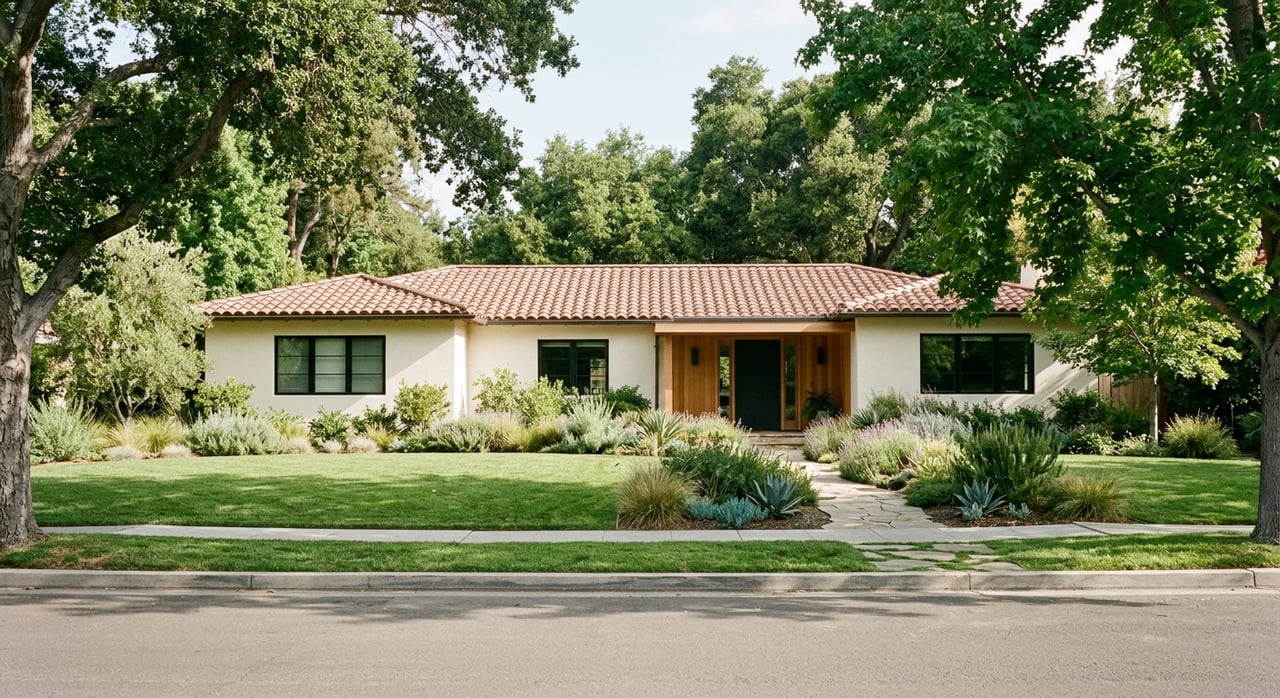
That framework matters because it shapes what you will actually see as a buyer or seller. In Los Altos, the key difference is often not just square footage. It is the setting of the lot, the surrounding zoning, and the overall feel of the area.
Los Altos remains overwhelmingly a single-family market. According to the city’s housing data, the 2020 housing stock was 81.0% single-family detached, 4.8% single-family attached, 2.2% two- to four-unit multifamily, and 12.1% five-plus-unit multifamily.
That mix helps explain why Los Altos still feels low-rise and residential compared with denser nearby markets. It also means many buyers come here primarily for detached homes, while condo and townhouse-style options are more limited and tend to cluster closer to downtown or mixed-use areas.
A large share of Los Altos homes were built decades ago. The city reports that 45.4% of the housing stock was built before 1960, with the biggest share dating from 1940 to 1959.
For you, that often translates into a market with original ranch homes, expanded ranches, remodeled properties, and rebuild opportunities. If you are comparing homes, the difference between an updated mid-century property and an older home with renovation potential can be just as important as the address itself.
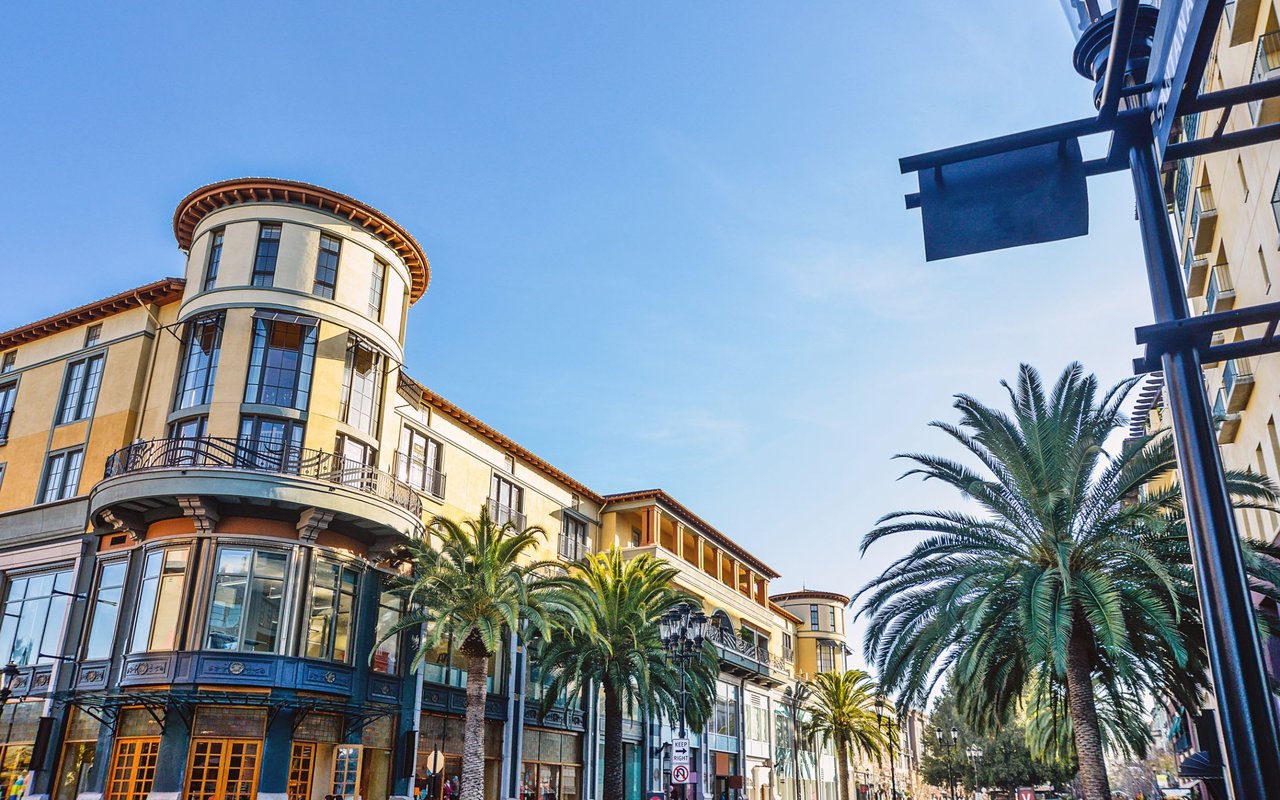
The downtown core is intentionally organized as a triangle and is planned to remain village-scaled and community-focused. City documents also describe ongoing priorities such as a public plaza between Main and State streets, wider sidewalks, landscaping improvements, and stronger bicycle connectivity.
If lifestyle and convenience matter most to you, this is the part of Los Altos that usually offers the most walkable setting. The city also reports about 1,400 free public parking spaces downtown, which supports day-to-day access to the commercial core.
Housing around downtown is generally the most compact and the most mixed in form. Based on the zoning map, downtown-adjacent areas can include older detached homes, small-lot infill homes, condos, and a limited number of townhouse- or apartment-like projects near the commercial center.
This part of Los Altos can make sense if you want easier access to shops, services, and the downtown street network. In many cases, the tradeoff is a smaller lot or a more compact housing style than you would find farther from the core.
Away from downtown, the most common Los Altos pattern is detached housing on moderate to large lots. Much of the city is shaped by single-family zoning that supports interior lots of 10,000 square feet or more, with larger standards in other districts.
This is one reason so many streets feel quiet and suburban even when they are not far from downtown. The overall pattern tends to favor lower density, mature residential blocks, and homes with more separation from neighbors.
Because so much of the housing stock dates to the 1940s and 1950s, buyers in central Los Altos often encounter classic ranch-style homes and later remodels. On some streets, you may also see larger replacement homes built on older parcels.
This creates a broad middle band of the market where home condition, lot orientation, and remodeling history can vary significantly from one listing to the next. For many buyers, this is where the Los Altos search becomes highly detail-driven.
Even in a city dominated by detached homes, Los Altos includes some intentionally preserved smaller multifamily pockets. The city specifically notes that the R3-4.5 district is meant to retain the Stevens Place and Marshall Court area as a two-family dwelling unit neighborhood.
That is useful context if you are looking for alternatives to a large detached home. These opportunities are not the citywide norm, but they are part of the local housing mix.
Some parts of Los Altos offer a more spacious, estate-like feel. The city’s zoning framework includes larger-lot districts such as R1-20, R1-H, and R1-40, with minimum lot sizes of 20,000 square feet in R1-20 and R1-H and 40,000 square feet in R1-40.
Those standards help create areas that feel more open and less dense. If you are searching for privacy, deeper lots, or a more semi-rural setting, these edge pockets are often where that character becomes most noticeable.
In these larger-lot sections, the appeal is usually more about land and spacing than about proximity to a dense amenity center. You may find fewer condo or apartment-style choices and more emphasis on lot depth, setbacks, and a quieter physical setting.
For buyers comparing Los Altos with other Peninsula locations, this is an important distinction. The lifestyle choice here is often about space and setting rather than simply choosing the biggest house.
Loyola Corners is one of the clearest examples of a small neighborhood-scale commercial node within Los Altos. The city says the specific plan covers about 17 acres along Foothill Expressway in the southwest part of the city and guides growth, circulation, parking, and design.
The plan emphasizes a small pedestrian scale and aims to protect adjacent residential areas from traffic, noise, and visual impacts. That makes Loyola Corners notable not because it functions like a major urban district, but because it blends a local-serving commercial area with nearby residential character.
In Los Altos, zoning has an outsized influence on how neighborhoods feel. The city’s land use categories include several levels of single-family lots, plus low-density multifamily, medium-density multifamily, and mixed-use or commercial areas.
That means your experience can change quickly from one section to another. A downtown-adjacent block may offer smaller lots and more varied housing forms, while another part of town may be defined by larger setbacks and more land around each home.
Los Altos also allows second living units and ADUs on many residential parcels. Because the city is generally built out, this kind of lot-by-lot change is one of the main ways additional housing can be added over time.
Instead of large new subdivisions, future change is more likely to come through infill, ADUs, and selective redevelopment of underused commercial parcels. For you, that means understanding a property’s lot and zoning context is often essential to understanding its long-term potential.
Los Altos remains a supply-constrained market. The city’s housing element states that housing stock grew only 4.2% between 2010 and 2020, and much of the city is already built out.
Public market trackers also place Los Altos in the premium tier of the Peninsula. In March 2026, Redfin reported a median sale price of $4.1 million, Zillow showed a March 31, 2026 home value of $4.78 million, and Realtor.com described Los Altos as a seller’s market.
For buyers, limited supply means the right fit may depend on prioritizing lot size, housing type, and location style early in your search. You may need to decide whether walkability, a classic central-lot setting, or a larger edge parcel matters most.
For sellers, these neighborhood differences can strongly affect pricing strategy and buyer demand. A downtown-adjacent condo, a remodeled ranch on a 10,000-square-foot lot, and a larger-lot edge property may all be in Los Altos, but they compete in very different ways.
The simplest way to think about Los Altos is in three broad bands:
This framework is often more useful than relying on a long list of neighborhood names. It helps you focus on the factors that most directly shape your day-to-day experience and a property’s market position.
If you want help evaluating where a specific home fits within Los Altos, a local, data-driven review can make the tradeoffs much clearer. For tailored guidance on buying or selling in Los Altos, schedule a complimentary market consultation and home valuation with Wendy Kandasamy.
Stay up to date on the latest real estate trends.
Leveraging her expertise in both the economics of home ownership and sharp analysis of the real estate market. This unique combination proves invaluable when crafting tailored solutions for her clients' diverse real estate needs
Get In Touch With Wendy To Learn More
Address: 578 University Ave Palo Alto CA 94301