What Living in Portola Valley Is Really Like
March 24, 2026
March 24, 2026
Love the idea of stepping onto a trail before breakfast, yet staying close to mid‑Peninsula jobs and daily errands? If you are considering Portola Valley, you are likely weighing outdoor living, school options, commute time and a premium market. This guide gives you a clear, local view of day‑to‑day life: where you will hike, how schools work, what commutes look like, and the housing and zoning context. Let’s dive in.
Portola Valley is a small town on the eastern slope of the Santa Cruz Mountains on the San Francisco Peninsula, with a 2020 population around 4,400 to 4,500 residents. You will find a quiet, semi‑rural setting focused on preserving open space and low density. For quick context on location and history, see the town’s overview on Wikipedia.
The town is updating planning and zoning to meet state housing requirements while maintaining its character. You can see the policy direction in the 2023–2031 Housing Element and related updates to Title 18, available in the town’s official housing materials. Marketwise, Portola Valley is a high‑value, low‑inventory area. As of early 2026, industry indexes show typical home values near $4.0M, with a thin but very high‑end segment. Always review current comps before you act.
If there is one amenity that defines daily life here, it is the trail network. Windy Hill Open Space Preserve offers sweeping Bay views, rolling grasslands, and shady forest sections with multiple trailheads near town. It is a favorite for hiking, running and horseback riding, and it is often the reason buyers choose Portola Valley. Learn more on Midpen’s Windy Hill preserve page.
Closer to neighborhoods, Coal Mine Ridge provides shaded, shorter loops that are popular for daily walks and dog‑walking. Adjacent Jasper Ridge is a Stanford research preserve with docent‑led tours rather than open public access. Together, these areas create a connected woods‑and‑ridgeline experience that shapes everyday routines.
Most regional preserves are multi‑use, but not every trail allows every activity. Some segments are open to hikers and equestrians only, and bicycle access is limited to designated routes. Before you go, check the official Midpen map for current rules, seasonal closures and parking info. Start with the Windy Hill trail map. On busy weekends, trailhead parking near town can fill fast, so plan for early starts or off‑peak visits.
You share these hills with wildlife and seasonal hazards. Mountain lions and rattlesnakes live here, and fire agencies prioritize wildfire preparedness. Review posted guidance, carry water, keep dogs leashed where required, and stay alert during hot, dry periods. Midpen’s Windy Hill page lists current notices and safety tips.
Portola Valley’s commercial footprint is intentionally small. The Town Center is the social anchor, home to the library, town offices and periodic community events and markets. For most everyday errands and a wider set of restaurants and shops, you will drive a short distance to Menlo Park or Palo Alto.
Neighborhood identities vary. Areas like Ladera have a community‑center feel with pool and tennis amenities through local associations. Always verify governance and services by address, since some pockets have different arrangements than incorporated Portola Valley.
Portola Valley School District operates two small campuses: Ormondale School (transitional kindergarten through grade 3) and Corte Madera School (grades 4–8). The district serves roughly 500 students and features active parent organizations and a schools foundation. For current enrollment and registration details, visit PVSD.
Portola Valley is within Sequoia Union High School District. The specific high school for a given address is boundary‑based, and many students attend Woodside High or Menlo‑Atherton. Because assignments can change, verify the exact school for your address directly with the district’s tools and reports. Start with SUHSD’s district documents and boundary lookups.
Independent options are part of the local education mix. Woodside Priory School (grades 6–12) is in Portola Valley, and Woodland School (pre‑K–8) is nearby. Selective private schools in Menlo Park and Palo Alto are typically 10 to 20 minutes by car. For a quick snapshot of one local option, see Woodside Priory on Winnie.
From central Portola Valley, it is about 8 to 9 miles to downtown Palo Alto or Menlo Park. Non‑peak drives often take 10 to 20 minutes, while peak‑hour traffic can run longer. For a simple distance reference, see this Portola Valley to Palo Alto drive distance. Caltrain access is at the Menlo Park and Palo Alto stations, usually a 10 to 20 minute drive from town. SamTrans routes serve limited areas, so most residents rely on cars for daily commuting.
Portola Valley sits in a wildland‑urban interface, and preparedness is part of responsible ownership. The Woodside Fire Protection District covers the town and promotes defensible space, home hardening and evacuation planning. Before you buy or remodel, review vegetation management, chipping programs and emergency readiness. Start with WFPD’s mission and goals through the district foundation’s overview.
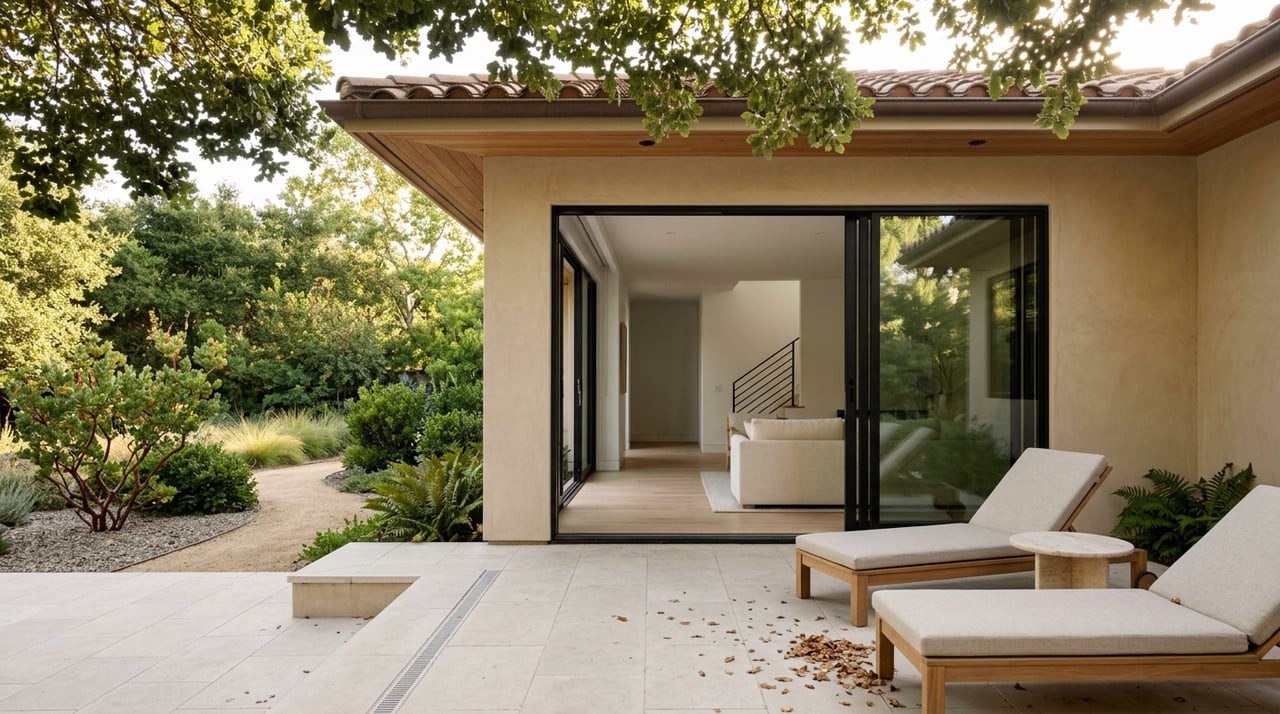
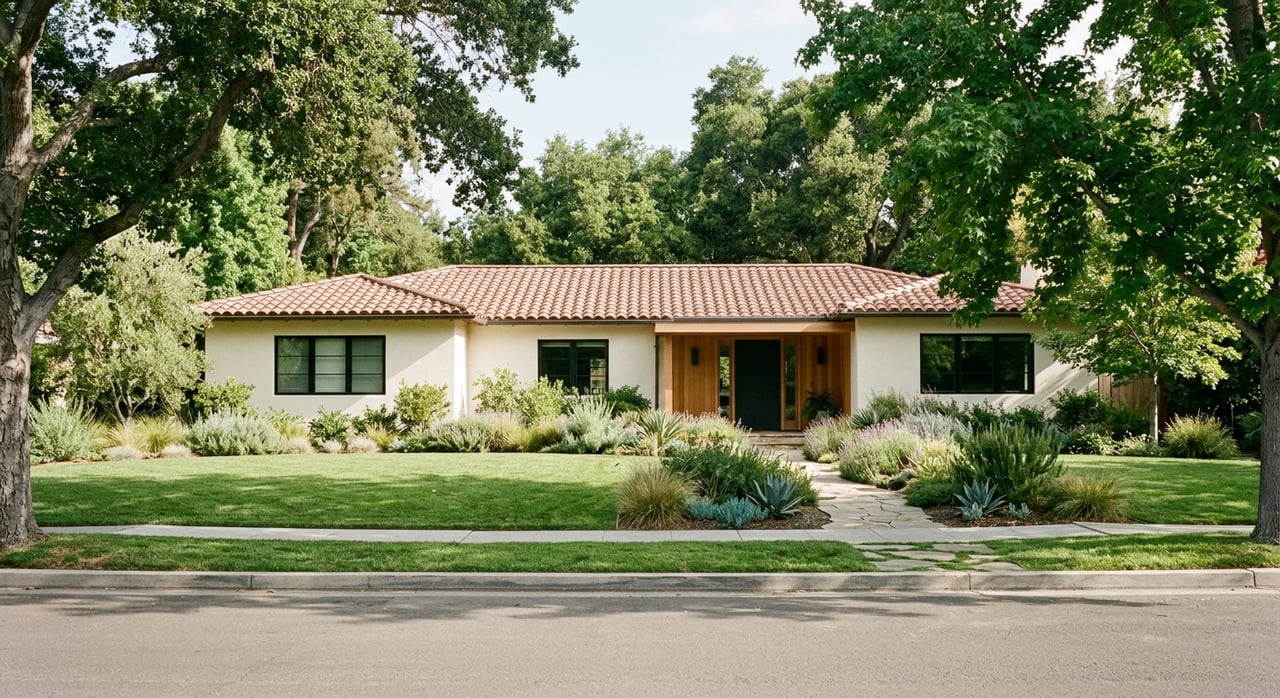
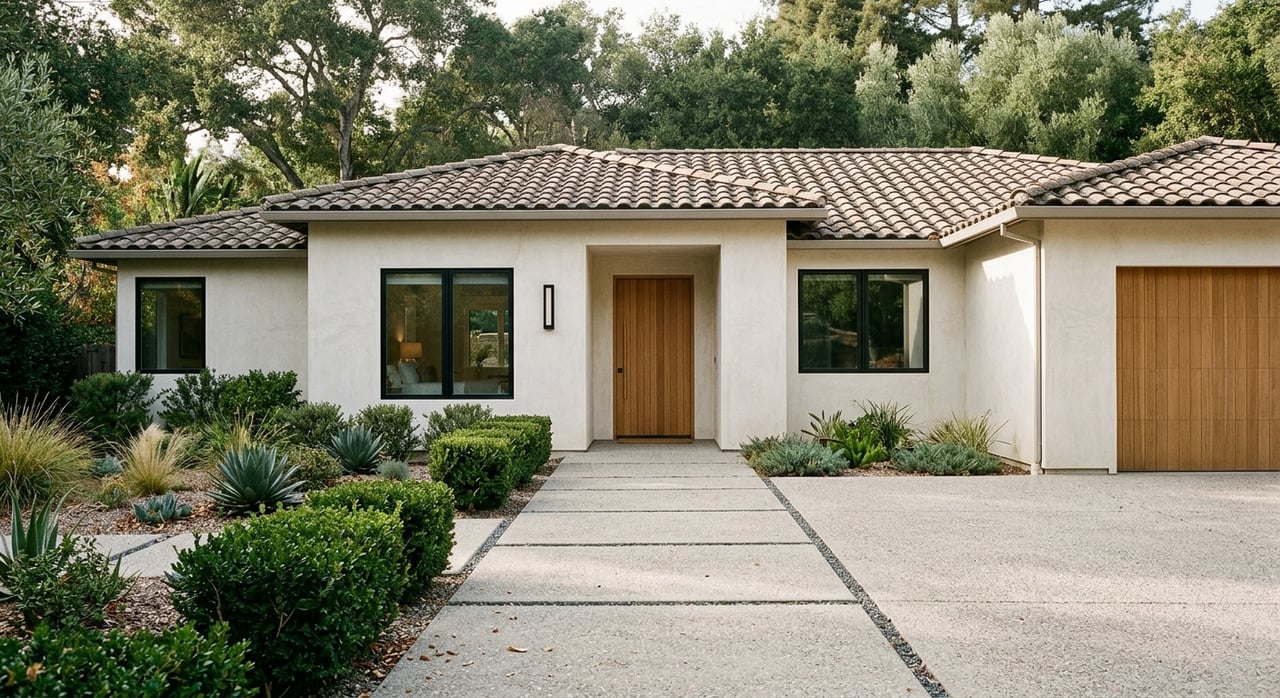
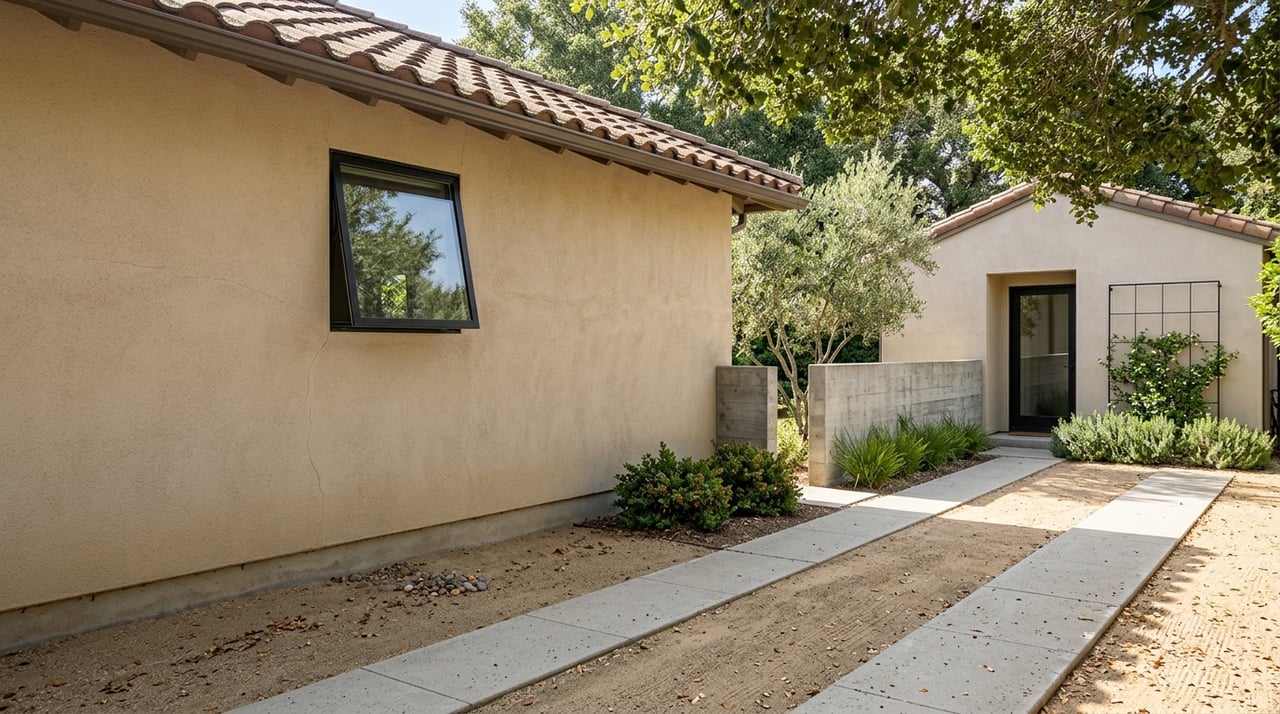
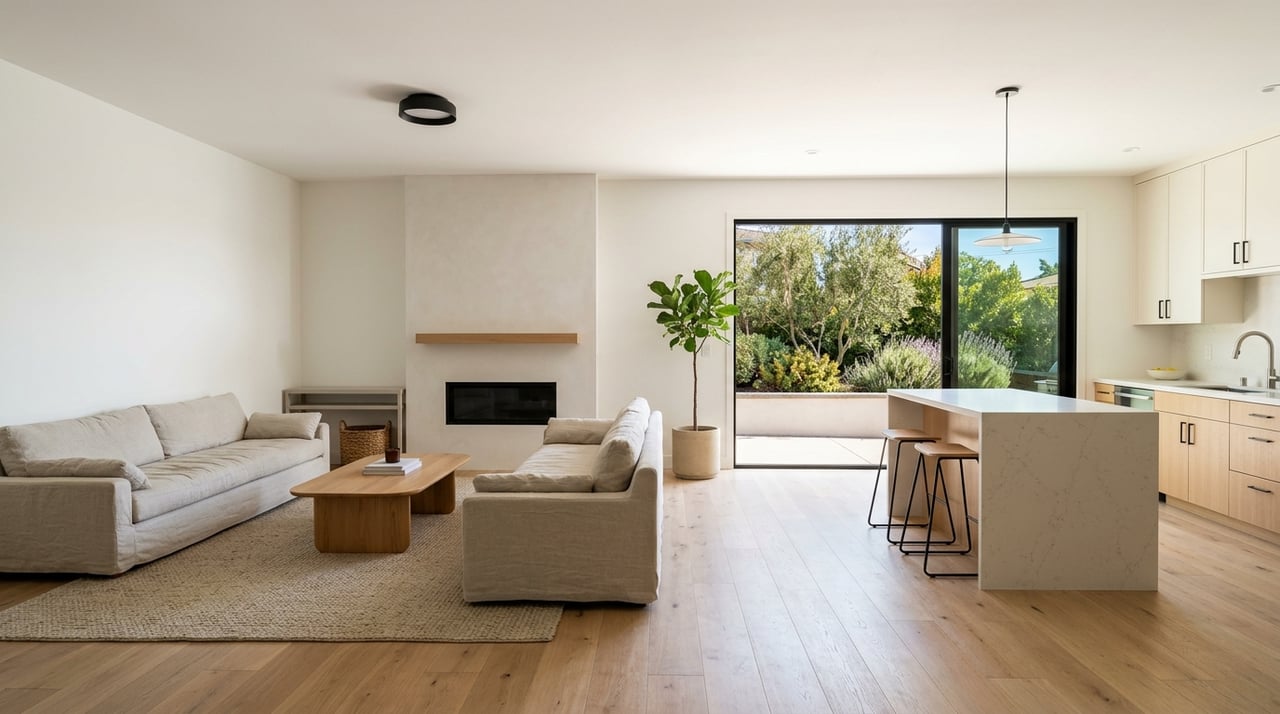
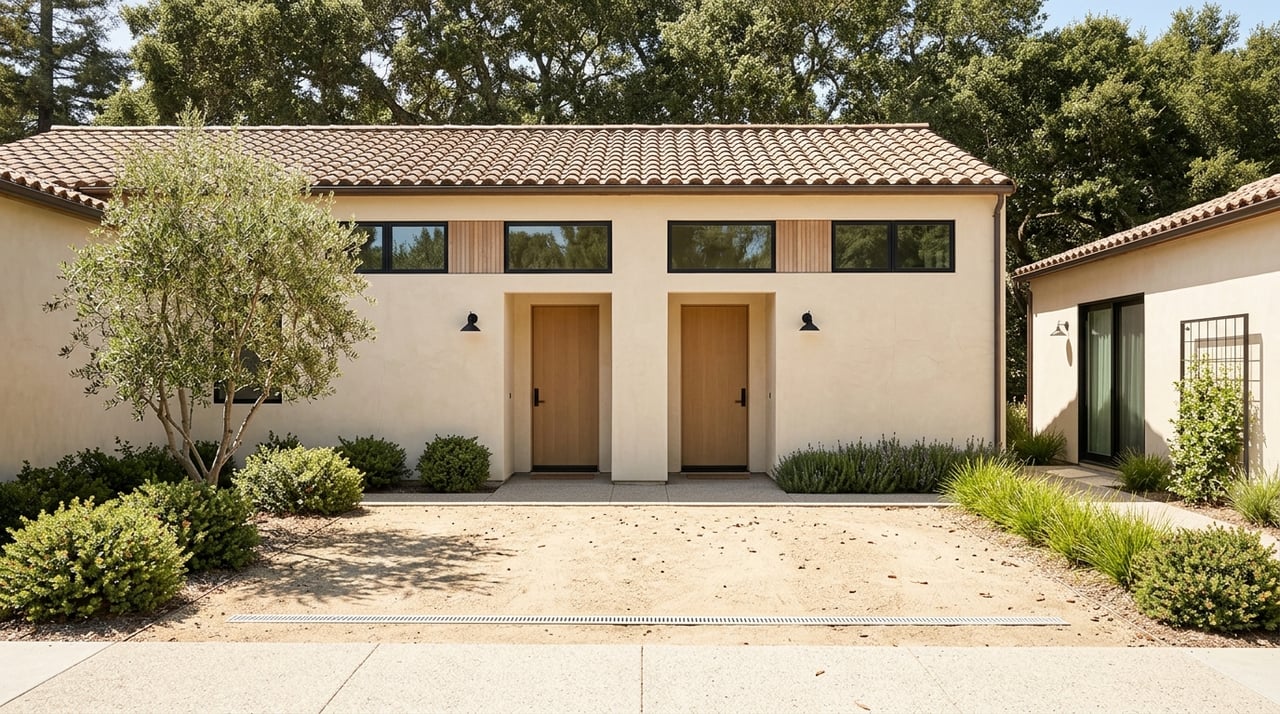
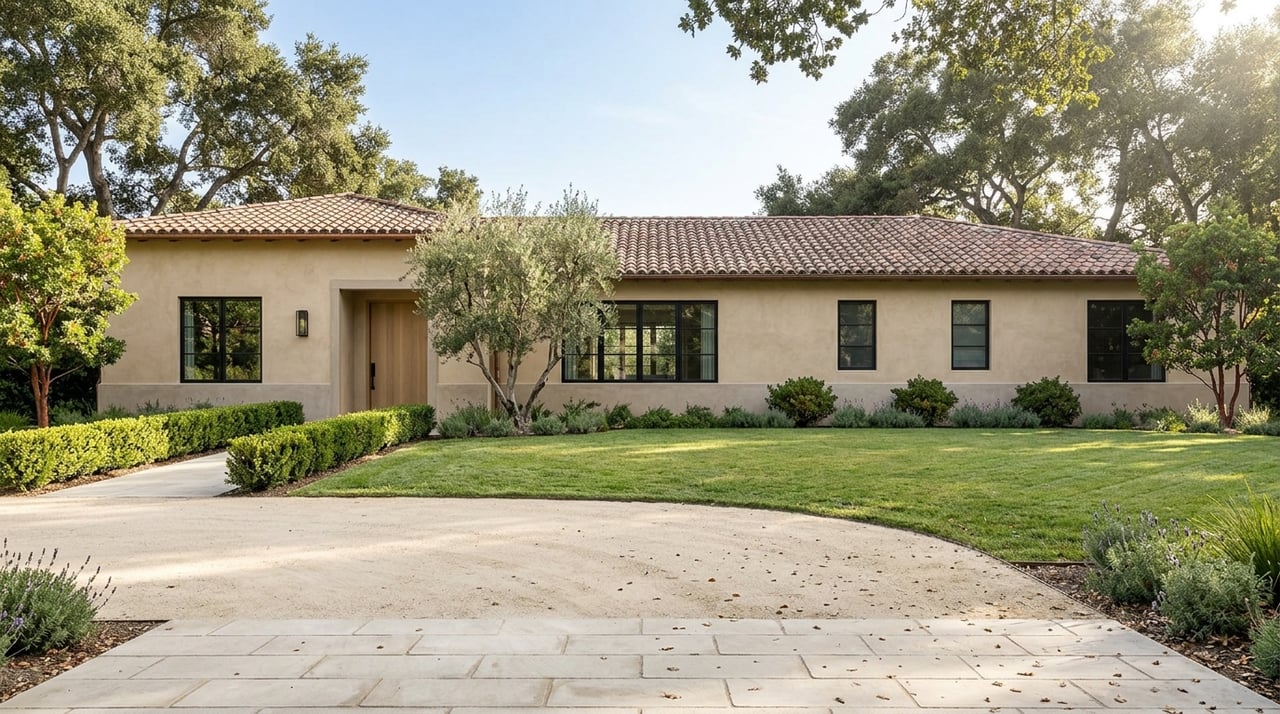
Portola Valley pairs larger lots and privacy with abundant open space. Homes range from modest single‑family properties to estate‑level compounds. The market is high‑value with low inventory, and pricing is sensitive to setting, condition, and access to trails.
Zoning has historically emphasized large lots to preserve rural character. At the same time, the town is implementing its 2023–2031 Housing Element with targeted rezonings to meet state requirements. If you are evaluating a property or planning improvements, review the town’s housing element materials and confirm current rules with Town Planning, including ADU and permit standards.
If Portola Valley’s trails, schools and quiet setting match your goals, you deserve clear market logic and a calm, data‑driven search. Work with a local advisor who blends neighborhood insight with disciplined pricing and negotiation. Connect with Wendy Kandasamy to refine your plan, preview off‑market opportunities and structure a winning offer. Schedule a complimentary market consultation and home valuation.
Stay up to date on the latest real estate trends.
Leveraging her expertise in both the economics of home ownership and sharp analysis of the real estate market. This unique combination proves invaluable when crafting tailored solutions for her clients' diverse real estate needs
Get In Touch With Wendy To Learn More
Address: 578 University Ave Palo Alto CA 94301