How to Choose Between Mountain View Condos and Townhomes
March 5, 2026
March 5, 2026
Trying to choose between a condo and a townhome in Mountain View? You are not alone. In a high-cost, low-inventory market, the right choice can come down to how you value space, walkability, HOA obligations, and loanability. In this guide, you will get a clear, practical framework to compare costs, responsibilities, neighborhoods, and financing so you can buy with confidence. Let’s dive in.
Mountain View remains one of the Bay Area’s pricier markets. As of March 2026, citywide median sale prices generally sit in the high six to low seven figures, and price per square foot often hovers near roughly $1,000 per square foot. Actual numbers vary by data provider and month, so use a current MLS snapshot when you are ready to write an offer.
In practice, recent sales suggest a pattern:
Monthly HOA dues vary widely based on amenities and what is covered. Expect many communities to fall roughly in the $300–$700+ per month range. Elevator buildings with structured parking and pools usually land at the higher end, while smaller, limited-amenity townhome communities often sit lower.
With a condominium, you own the interior space of your unit plus a shared interest in common areas. The HOA typically maintains building exteriors, roofs, and shared systems, according to the community’s declaration and rules. To understand exactly what is covered, review the CC&Rs, the current budget, and the reserve study. The California HOA framework is outlined in the Davis‑Stirling Act, which clarifies common area responsibilities and exclusive-use elements such as balconies and patios. You can learn more from the California resource on common area maintenance and responsibilities.
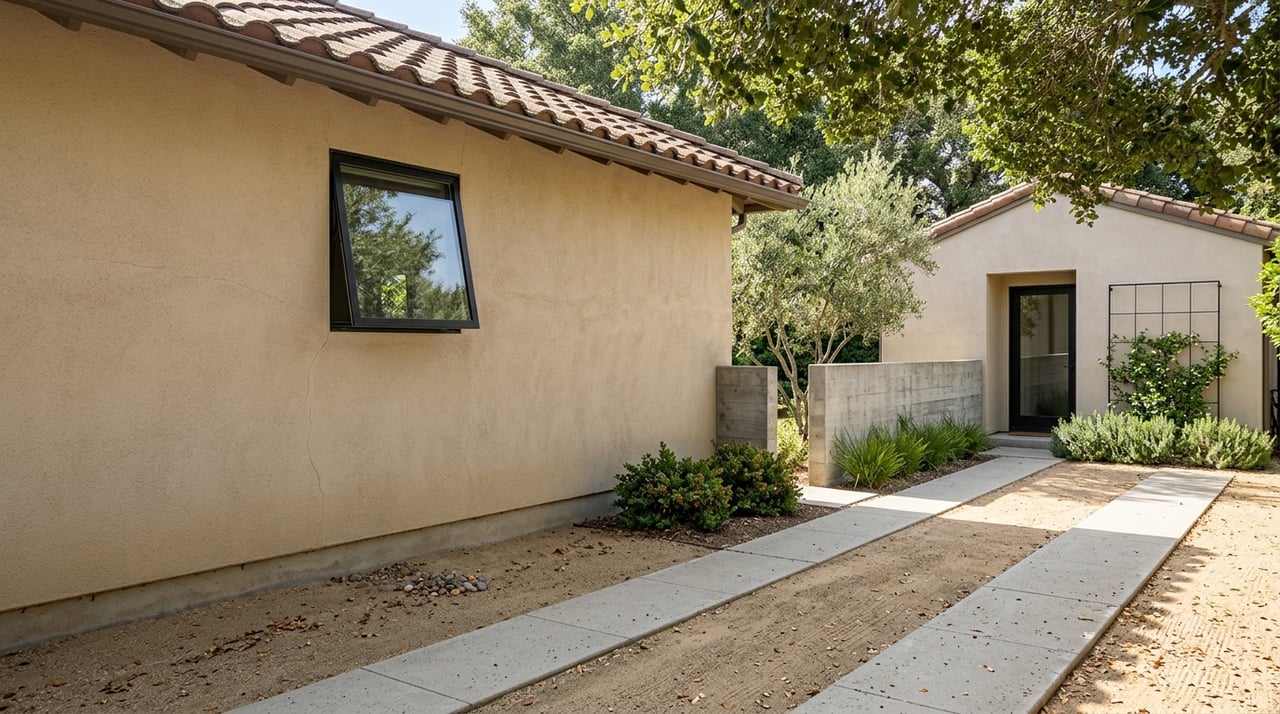
“Townhome” describes the building style, not the legal ownership. A townhome can be titled as a condo or as fee-simple within a planned unit development. In a fee-simple townhome, you usually own the structure and the land under it, and you are often responsible for exterior maintenance and the roof unless the CC&Rs say otherwise. In a condo-titled townhome, the HOA may handle exterior items similar to a traditional condo. Always confirm the title type in the deed and the CC&Rs.
California law generally assigns common area maintenance to the association and interior maintenance to the owner unless the declaration shifts responsibility. AB 968 clarified how exclusive-use common areas are handled. Ask the seller and the HOA who pays for roof repairs, exterior painting, balconies, and lateral lines, then verify that in the CC&Rs and meeting minutes. For a deeper primer, see the Davis‑Stirling overview of association and owner maintenance.
In Mountain View, dues commonly cover some mix of exterior maintenance, roof, landscaping, master insurance, trash, common utilities, management, amenities, and reserves. The specifics vary by community. Read the current budget and reserve study to see what is funded today and planned for the next several years.
California requires associations to complete a reserve study at least every three years and to disclose reserve funding in the annual report. The percent-funded figure is a key signal. Lower funding can increase the chance of special assessments. Before you write an offer, ask for the latest reserve study and the Reserve Funding Disclosure. For context on these requirements, review this overview of HOA reserve obligations in California.
Condo owners typically buy an HO‑6 policy to cover interior finishes, personal property, liability, and loss-assessment exposure. Townhome owners may need a full dwelling policy (HO‑3) if they own the structure and lot. Your coverage depends on the HOA master policy type, such as bare-walls or walls-in. Ask the HOA for the master policy declarations page, then have your insurance broker tailor your coverage. This guide explains the basics of condo insurance and master policy gaps.
Condos are often stacked, so you may have neighbors above and below. Townhomes usually share side walls but offer fewer vertical neighbors. Building age, construction quality, and location near retail or transit affect sound more than the label alone.
Many townhomes include private garages and more storage. Condos may rely on assigned or deeded spaces in a garage. If you need EV charging, ask about on-site infrastructure and the HOA’s approval process for adding chargers.
Every community sets its own rules in the CC&Rs and house guidelines. If you have pets, plan to remodel, or need frequent deliveries, confirm policies early. Rules vary on items such as short-term rentals, flooring, and balcony use.
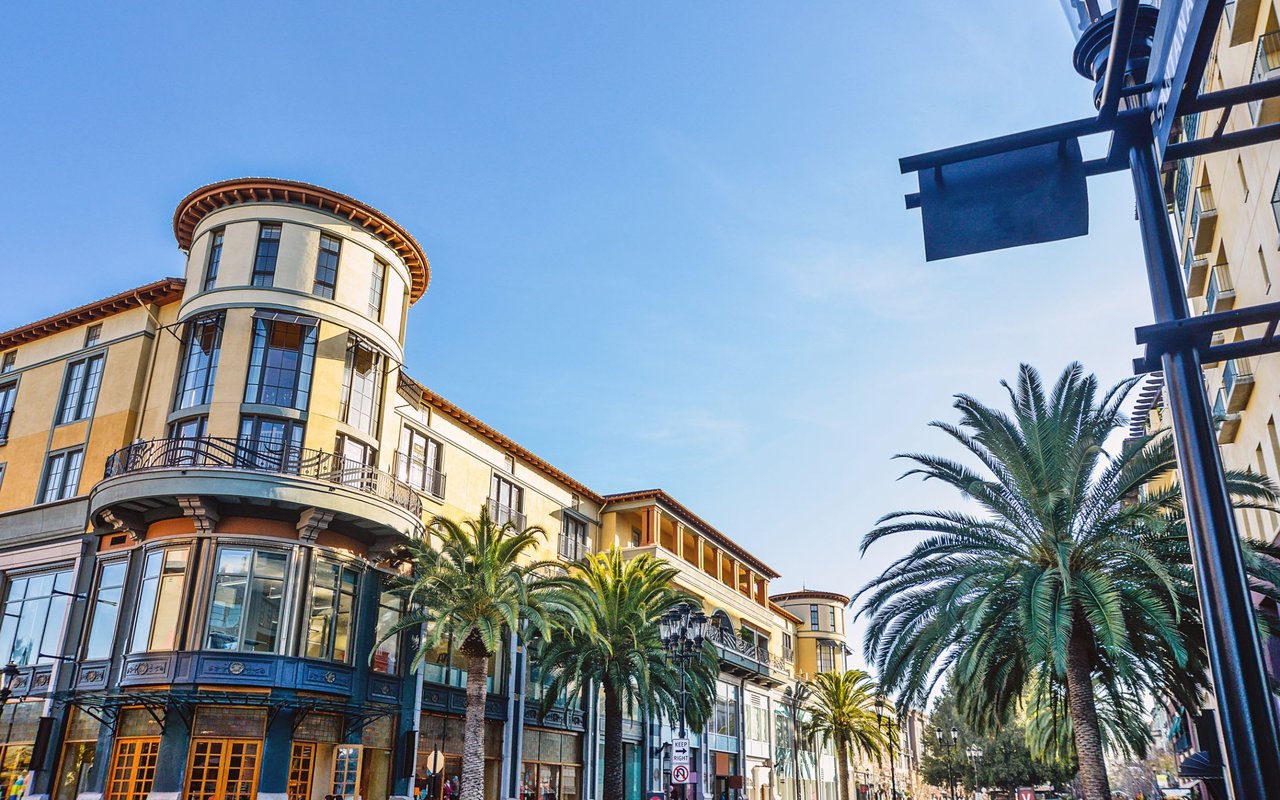
Near Castro Street and the Mountain View Transit Center, you will find low- to mid-rise condos and mixed-use developments. Buyers who prioritize walkability and Caltrain access often focus here, trading some space for location. The city’s long-range planning for the core is summarized in its Downtown vision and projects. New infill can influence pricing and future supply.
These areas feature many townhome communities and condo complexes, often with garages and good access to VTA Light Rail and major tech employers. If you bike or drive to nearby campuses, the extra storage and parking that many townhomes provide can be compelling.
This corridor blends low-rise condos with townhome communities and newer infill. It is a practical middle ground for buyers balancing commute routes with value. Elevator buildings with secured parking are common in newer segments.
A quick planning note: ongoing development proposals near downtown continue to evolve the condo inventory. Local reporting on recent proposals, including multi-story condo projects near Castro and El Camino, can help you gauge upcoming supply. See coverage of new condo proposals near the downtown core.
If you plan to use FHA or VA financing for a condo, the project often needs approval or must meet single-unit approval criteria. Lenders also review owner-occupancy ratios, insurance, delinquency rates, reserves, and litigation. Ask your lender to confirm project acceptance early. Learn more from HUD’s page on condominium approvals and requirements.
Condos can trigger more lender due diligence, especially if reserves are thin or if there is active litigation. That might affect down payment requirements or underwriting time. Get the condo questionnaire, master insurance details, and HOA financials to your lender as soon as you are serious about a property.
Association health shapes resale. Special assessments, litigation, and low reserves can reduce buyer demand and limit loan options. Fee-simple townhomes may attract a broader buyer pool that prefers fewer HOA dependencies, but each property is unique. When you prepare to sell, include association disclosures and current financials to support buyer confidence.
Use this checklist when you compare a condo to a townhome in Mountain View:
Pick a condo if you want low exterior maintenance, strong walkability to restaurants and transit, and are comfortable with a more regulated living environment. Expect a wider range of HOA dues, especially in buildings with elevators and amenities.
Pick a townhome if you want more private space, direct garage access, and storage. If it is fee-simple, plan for exterior maintenance costs that might not exist in a condo-titled community. If it is condo-titled, your experience may look a lot like a traditional condo with more vertical space.
The best fit often comes down to how you prioritize location, maintenance predictability, parking, and budget. A short side-by-side comparison of HOA coverage, reserve strength, and parking can quickly clarify which home serves your daily life better.
Ready to compare specific buildings or communities around Castro, Whisman Station, or San Antonio? Schedule a strategy session with Wendy Kandasamy to review live HOA documents, price trends, and loanability so you can move forward with confidence.
Stay up to date on the latest real estate trends.

Leveraging her expertise in both the economics of home ownership and sharp analysis of the real estate market. This unique combination proves invaluable when crafting tailored solutions for her clients' diverse real estate needs
Get In Touch With Wendy To Learn More
Address: 578 University Ave Palo Alto CA 94301